

Subscribe
Subscribe to a newsletter to receive latest post and updates
Featured
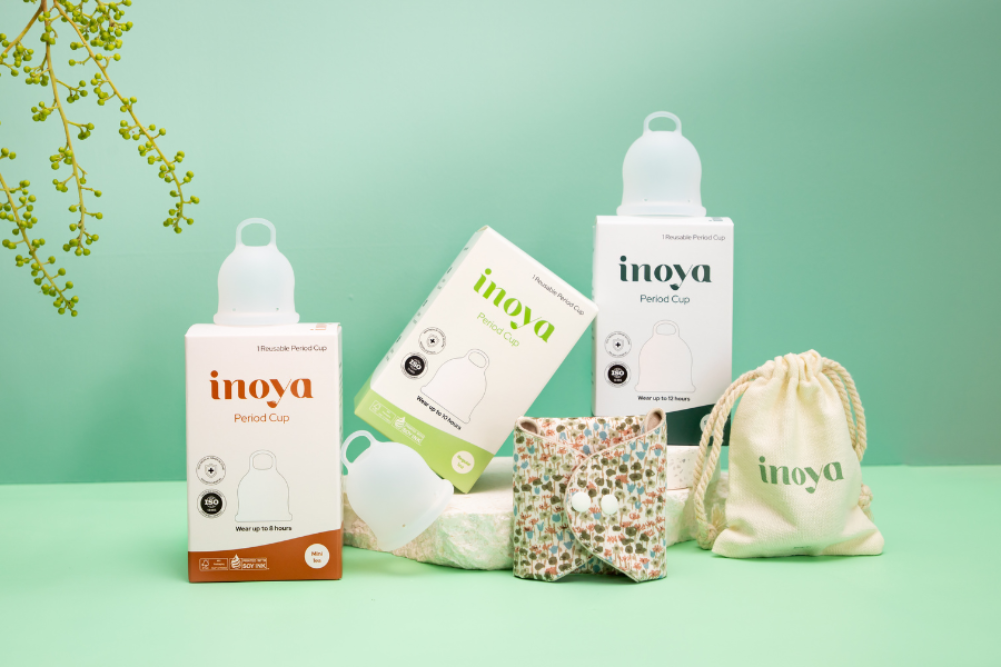
The way we approach menstrual health is undergoing a quiet, long-overdue change. For decades, regular period care relied on a culture of silence and single-use products. These older options often put quick convenience ahead of lasting comfort, body awareness, and care for our planet. Around meaningful dates like Menstrual Hygiene Day, a collective shift is […]
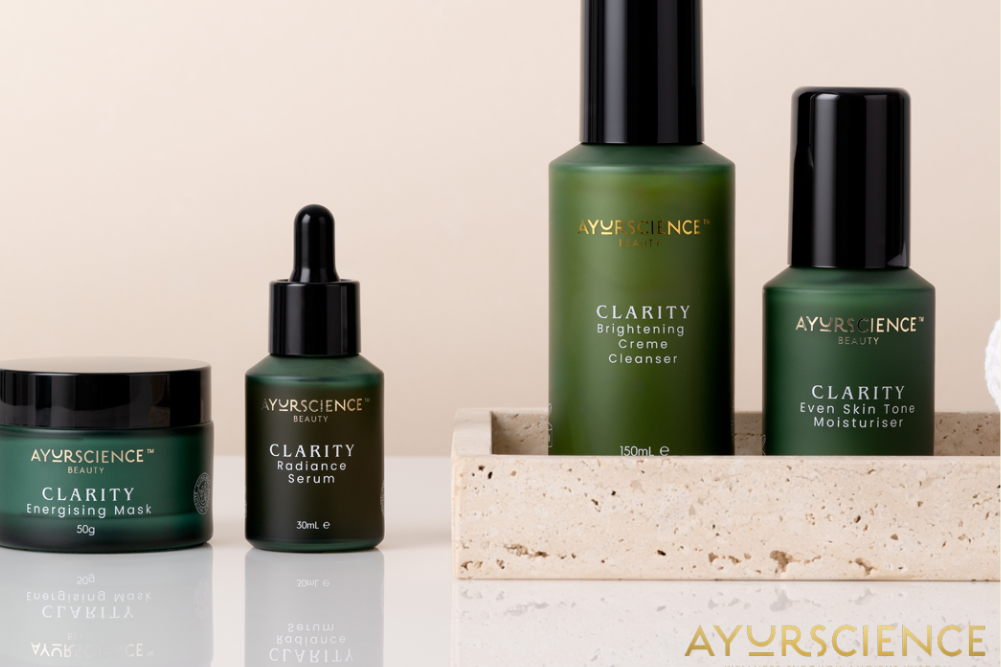
How AyurScience Targets the Root Cause of Skin Health AyurScience is an Australian skincare brand founded by pharmacists who are second-generation custodians of Ayurvedic practice. This heritage is not a retrospective inspiration but a lived experience passed through generations, where plant-based remedies and rituals centred on balance formed the foundation of daily life. By bridging […]

Skin is in constant conversation with the endocrine system. Hormonal signals shape repair, resilience and radiance.
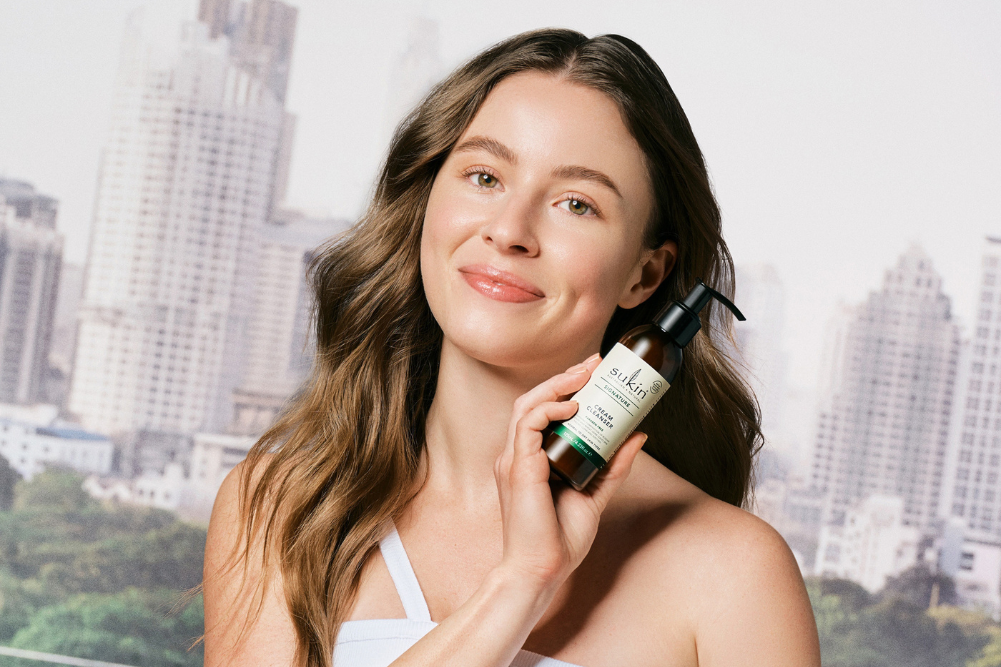
Sukin botanical skincare blends ancient plants with modern science. Discover why this Australian brand is leading the natural beauty charge.
From hidden chemicals in skincare to the air in our homes. Here’s how to transition to a non-toxic beauty routine without the overwhelm.

Discover the overlooked amino acid glycine — vital for collagen, skin health, and vitality during pregnancy, postpartum, and ageing.
Top idea of the week

The superpower to guide you through 2026
Learn how to cut through the noise of 2026. David The Medium shares 8 steps to master your intuition and find your flow.
Latest Articles
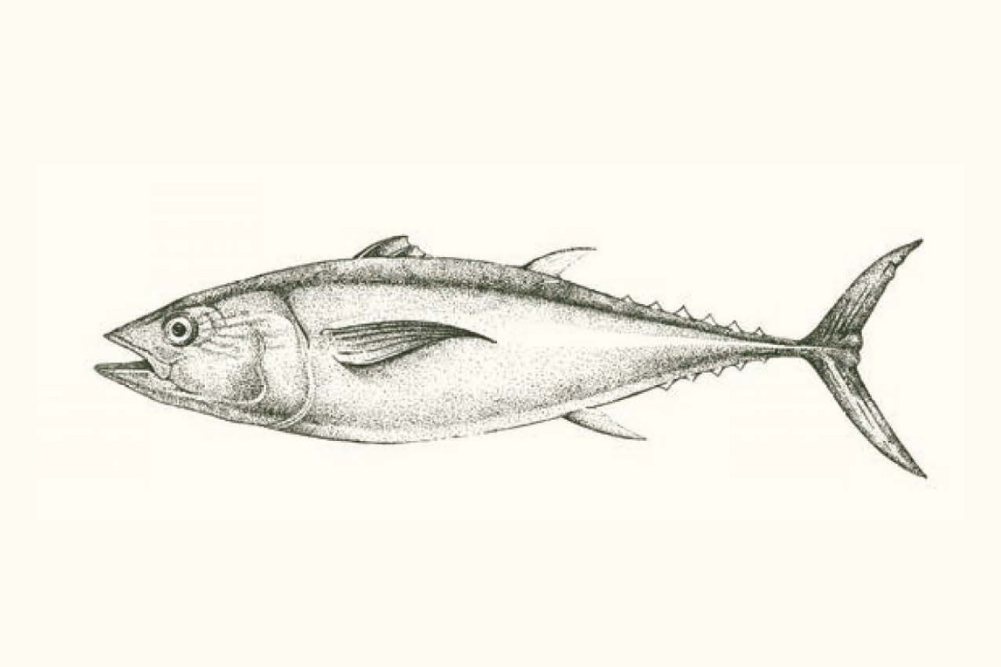
Fish as a Healing Food Fish is incredibly nutrient-dense and, although it can contain nasties, is such a potentially healing food that you can’t ignore it. Fish has been a major food source for many species that inhabit this planet, including humans, for millennia. Fish are probably the most diverse group of vertebrates with over […]
Simplifying is the key to amplifying. Do less to achieve more. If you’re looking at your circus, counting your monkeys and thinking there’s absolutely no way to axe anything, read on. Research is giving us a greater understanding of our human experience, and one thing that we now know is that laziness is so much […]

Itchy ears (Otitis externa, OE) are common in dogs, affecting up to one in seven veterinary patients, and can be frustrating to manage. Typical symptoms include increased head shaking, scratching or rubbing of the ears, redness, greasiness and an unpleasant odour. For many dogs (and some cats), OE becomes a recurring, uncomfortable, year-round problem. The […]

Underwear is like electricity: obviously there but rarely discussed. And just like electricity, your underwear has power. It has a definite impact on your physical comfort and your psychological disposition. Despite its effects, underwear’s very ubiquity makes it easy to take for granted but it does have a worthwhile story to tell. Not only has […]
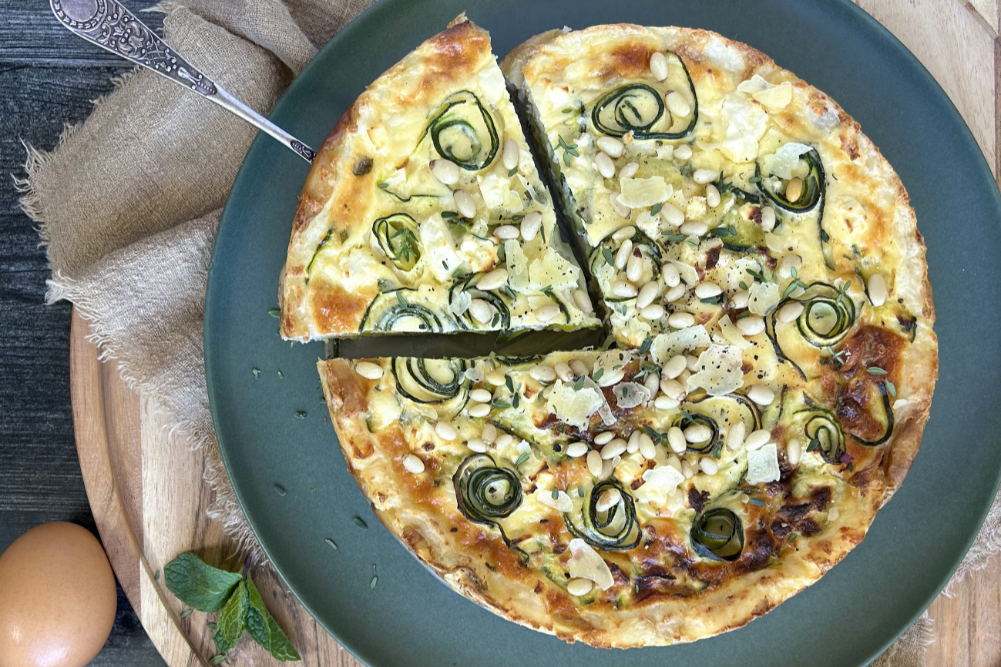
Smashed roasted potatoes create a rustic, golden base for this delicious tart. Eggs, yoghurt and feta are all rich in protein, which helps balance insulin, curb cravings and support muscle repair and growth. Roast potatoes are a versatile side dish rich in complex carbohydrates that provide slow, steady energy. Leaving the skins on adds valuable […]
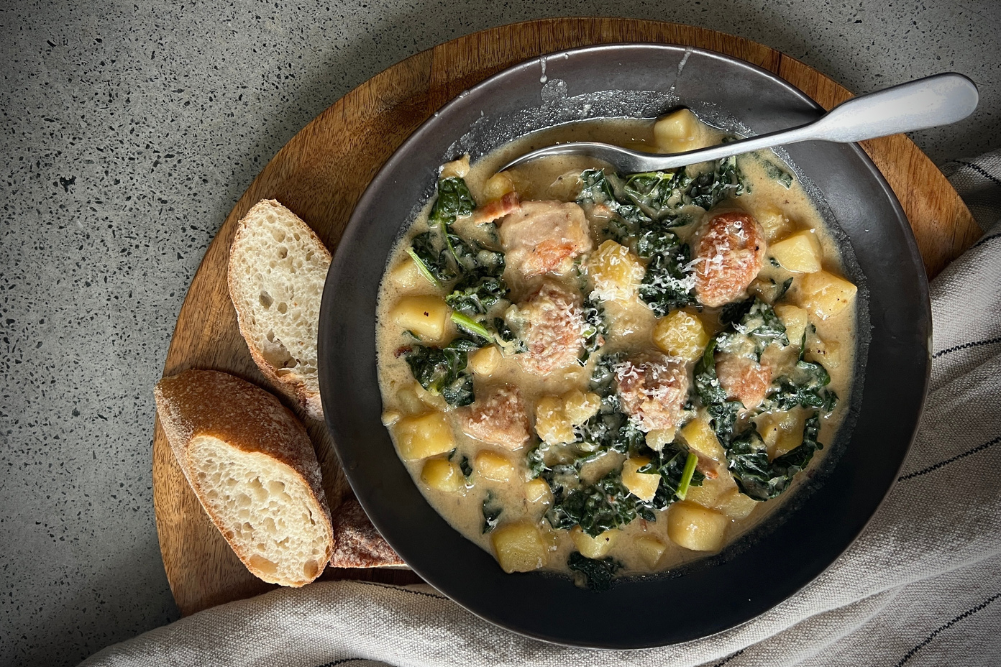
This rich, warming and soul-soothing soup is the kind of bowl you cradle with both hands on a chilly day. It’s a hearty Tuscan classic that practically makes itself. Brown some sausage, toss in kale, carrots and stock, then let it simmer until the house smells like an Italian nonna’s kitchen.
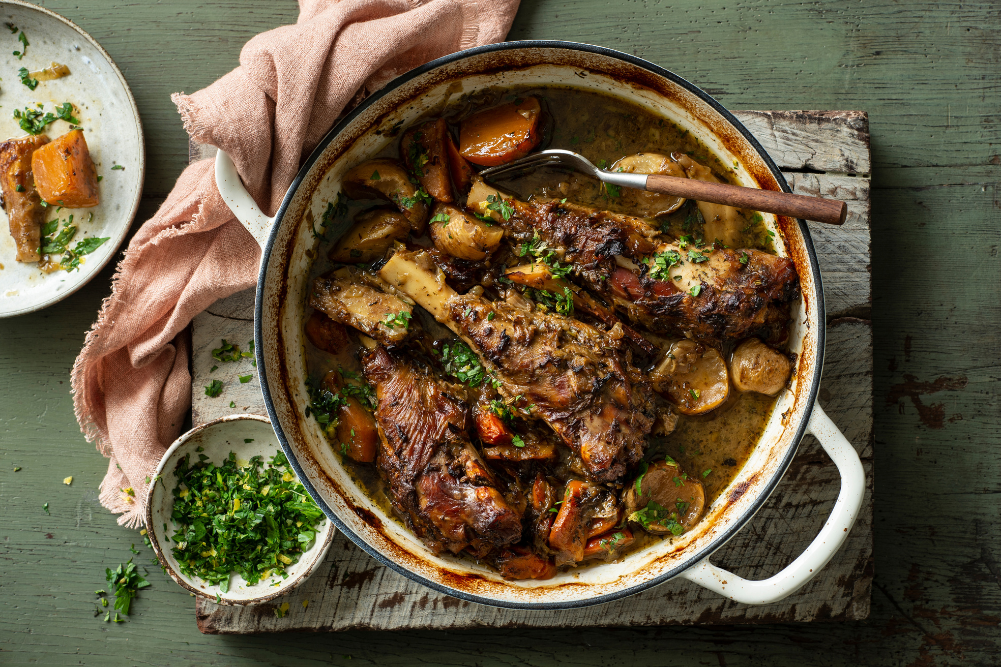
There was a time when lamb shanks and other lesser cuts were cheap and you could create a feast with just a little extra time and care. Sadly, the whole world seems to have caught on so the taste experience remains, even if the budget advantages have evaporated! This method works for all the slowcooking […]
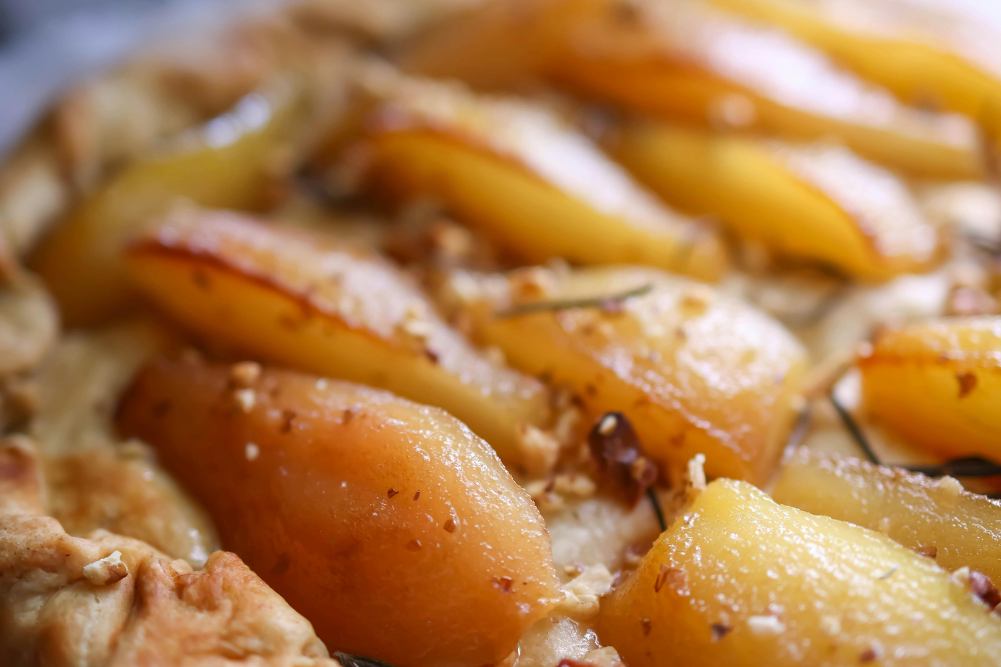
There’s something special about the change of seasons in Australia. You can almost feel it when the produce markets start to shine with new colours and scents. Have you noticed that as the air cools from May to July, pears come into their own? Their softsweetness and gentle aroma make them one of my favourite […]
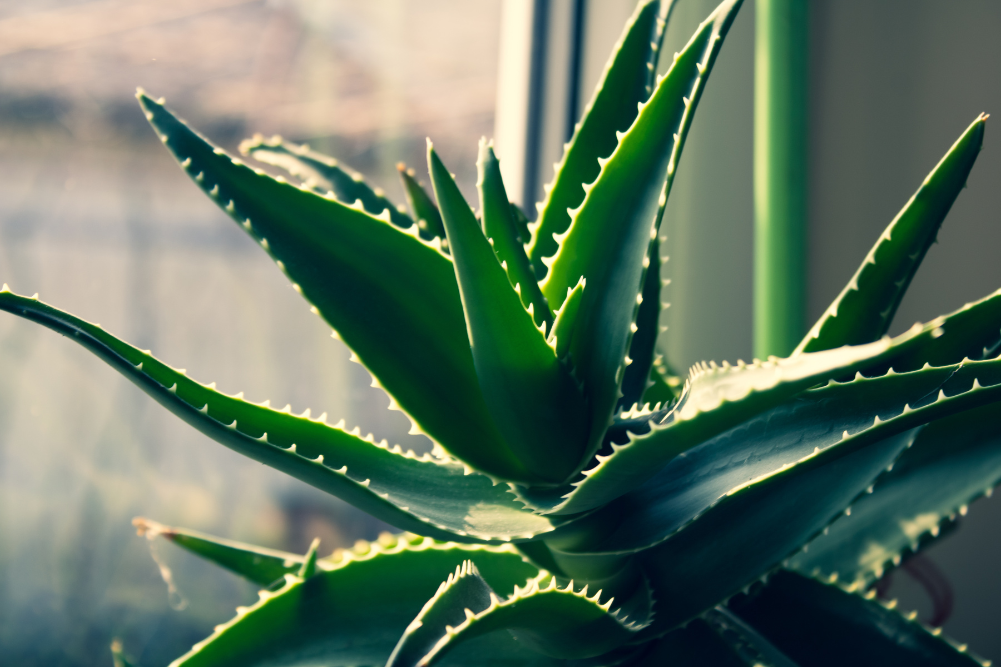
Aloe vera (a member of the lily family) is well known worldwide for its variety of medicinal properties. This “medicine chest” of a plant is a succulent, needing very little water to survive. Its botanical name is Aloe barbadensis and it originated in South Africa. Today there are about 400 different species, many of which […]

Trigger warning: This story contains themes readers may find upsetting. The phone call comes at 2am. Your 82-year-old father has had a fall and is in hospital with a broken hip. As you drive through empty streets, something shifts inside you — a recognition that this might be the beginning of the end. In that […]

Do you wake up feeling tired, stressed, overwhelmed, or simply not as healthy as you’d like to be? You’re not alone. In today’s fast-paced world, many people are struggling to keep up with the demands of work, family, finances, and everyday responsibilities. Add into this our denatured, processed foods, long hours sitting at desks, constant […]

A softbreeze blows as we stalk the shoreline at midnight — bare toes treading the cold, damp sand, our eyes straining for shadows along the water’s edge. The Milky Way’s canopy of stars is electric this far from bright city lights, but the sea remains inky black. Soon, I’m assured, flatback turtles will appear, using […]
More Popular
We Love
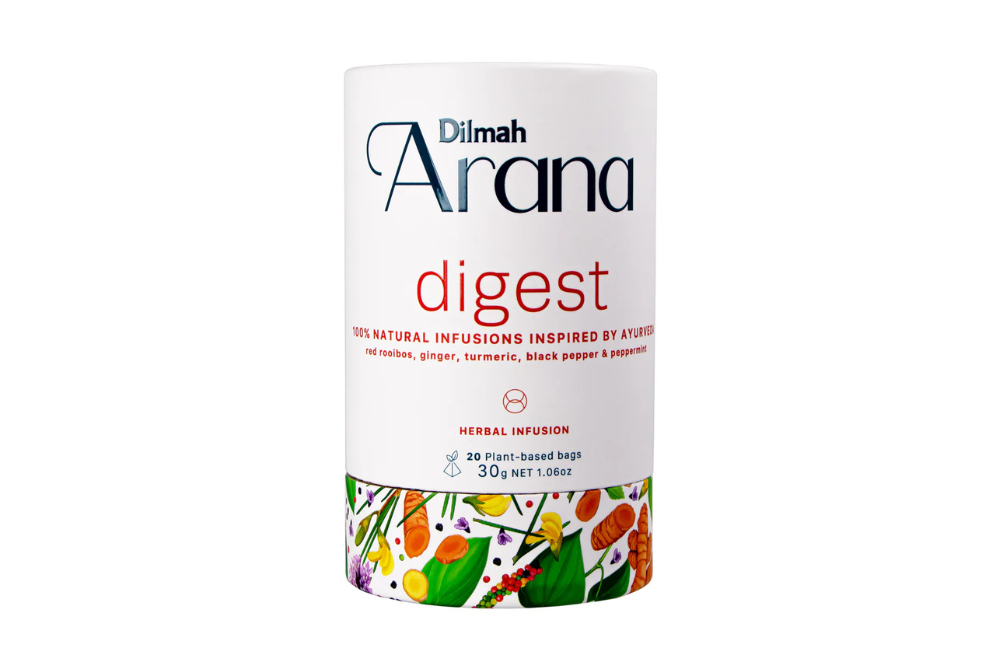
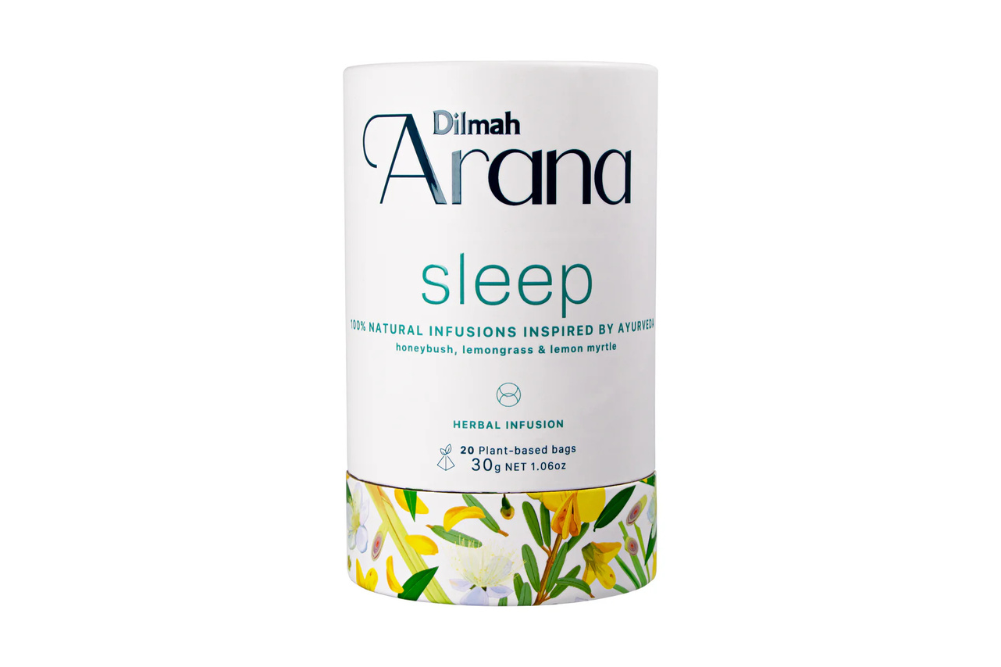
Dilmah – Arana Digest
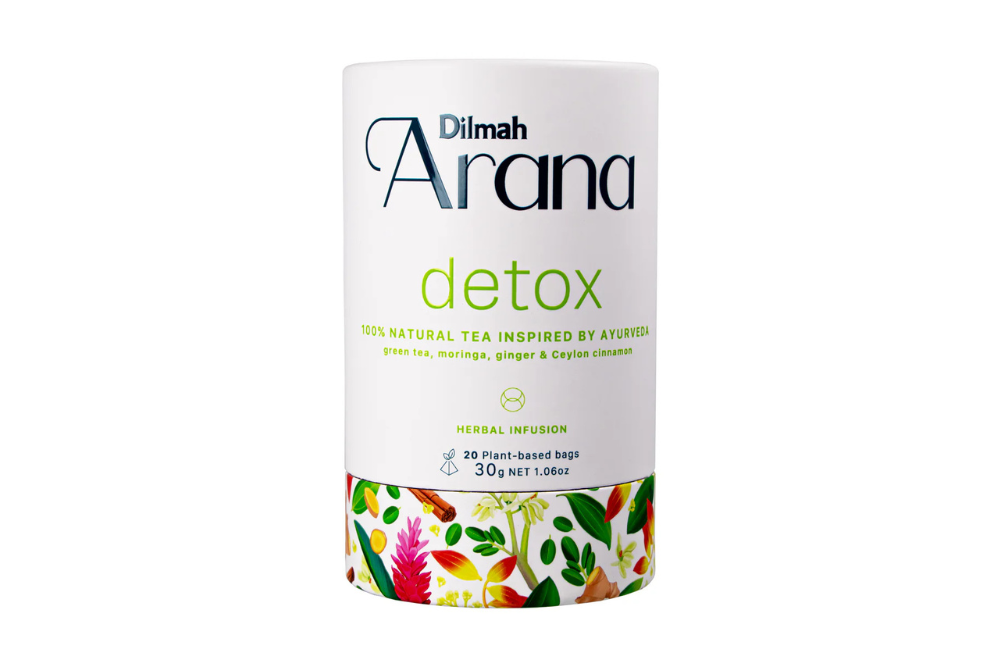
Dilmah – Arana Detox
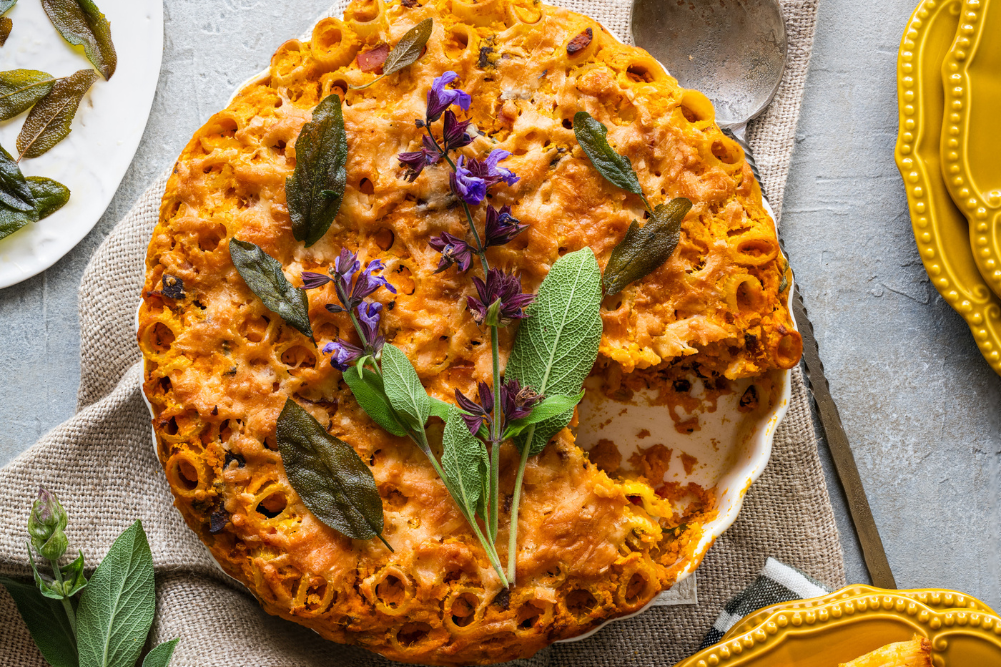
Pumpkin & Ricotta Rigatoni Bake