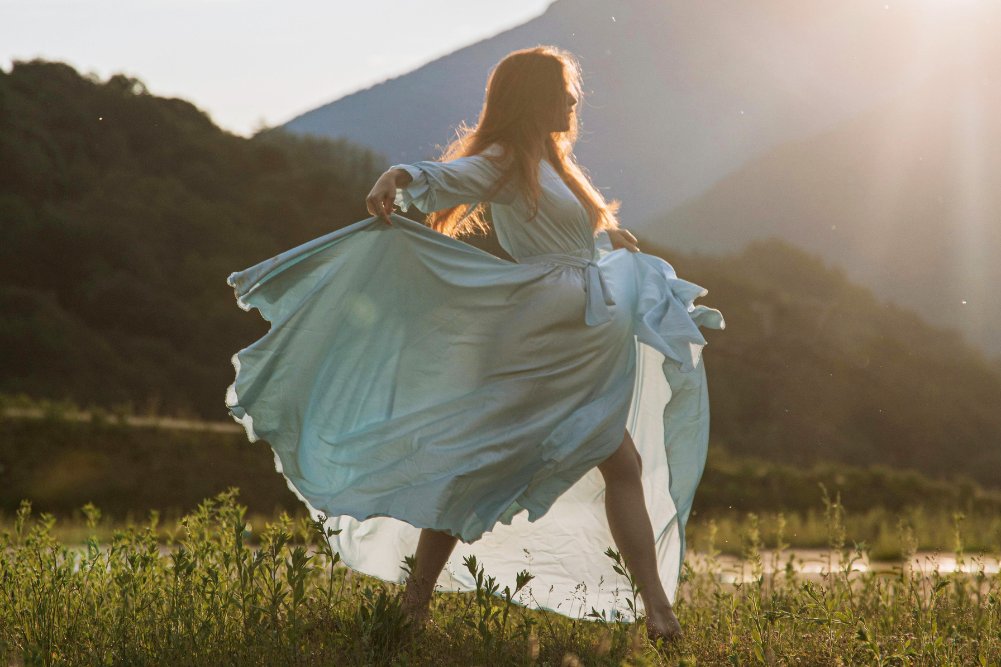
The therapeutic power of dance
Dance therapy, also known as dance movement to improve mental health. It combines the physical advantages of exercise with the emotional outlet of creative expression. Though people have used dance for healing and bringing communities together throughout history, experts started to recognise it as a formal therapy mode in the mid-20th century. Now, it stands out as a strong but often ignored way to boost mental wellbeing. You don’t need any prior experience to try it, you just need to be open to moving your body.
The science of dance and the brain
When we dance, our brains light up in ways that scientists are still trying to understand. Brain scans reveal that dancing turns on many parts of the brain at once, building new connections between nerve cells and releasing a fl ood of chemicals that make us feel good. Dancing kicks off the production of endorphins, serotonin and dopamine, which play a role in making us feel happy and keeping our moods stable. This doesn’t just help us feel better right away when we’re anxious or down. It also changes how our brains are built over time, making us better able to handle tough emotions.
Studies featured in Frontiers in Aging Neuroscience reveal that dancing has a greater effect than standard exercise on reversing brain ageing signs. People who took part in weekly dance sessions showed clear growth in their hippocampus size, a brain region linked to memory and learning that gets smaller as we age. Unlike exercises that repeat the same moves, dance calls for ongoing learning and adjusting. When dancers follow set steps or make up their own moves, they must decide how to move in space. This mental task, paired with physical action, brings about what brain experts call “neuroplasticity”, the brain’s power to change itself by making new connections between nerve cells.
The beat-driven nature of dance also boosts its brain-boosting perks. Moving in time to music makes our brains work on timing prediction — figuring out what’s coming next in a pattern. This builds up brain pathways linked to executive function and focus, which helps us pay better attention in everyday life.
The mind-body connection
At its heart, dance therapy works on the idea of embodiment — the notion that we store our experiences, feelings and memories not just in our heads but all over our bodies. When we dance, we tap into parts of ourselves that just talking might not reach.
“The body keeps the score,” as trauma expert Bessel van der Kolk said. Tough emotional experiences can get stuck in our physical tissues showing up as ongoing tension, weird aches or limited movement. When we move with intention, we give ourselves a chance to let go of these bottled-up feelings and feel free in our bodies again.
Many people with anxiety find their mind-body link gets messed up. Thoughts that won’t quit pull focus away from what the body feels, making people feel cut off from their physical selves. Dance offers a natural way back to feeling at home in your body, grounding you in what you’re feeling right now: your feet touching the floor, your lungs filling with air, your muscles stretching as you move through space.
This shift back to physical awareness has a big impact on mental wellbeing. Research from 2019 in the Journal of Affective Disorders showed that even one dance movement therapy session helped lower anxiety levels in people who took part. The study team pointed out that the mix of rhythmic moves focused attention, and creative expression seemed to break anxious thinking more than regular exercise. Image: Pexels 101WellBeing Images: Pexels 102Body.
Dancing through depression
Depression often shows up in the body as tiredness, a feeling of weight and a disconnect from one’s physical self. The very nature of depression makes it hard to move, yet movement itself can be a strong remedy. Unlike regular talk therapies, dance tackles depression in many ways at once. It boosts blood flow, tones muscles and improves heart health. In the brain, it helps make more brain-derived neurotrophic factor (BDNF), a protein that helps new brain cells grow and is often called “brain fertiliser”. For emotions, it gives people a way to express feelings they might find hard to put into words.
A 2018 meta-analysis in the European Journal of Physical and Rehabilitation Medicine looked at 23 studies on dance as a treatment for depression. The study found that dance worked better than regular exercise to reduce depression symptoms. This suggests that expressing yourself and being social through dance adds extra benefits beyond just moving your body.
People with depression often struggle to start exercising. Dance helps with this problem because you can adjust it to fit your energy level, do it alone or with others and don’t need any special gear or place to do it. Even small, gentle movements while sitting down can help you reconnect with your body and boost your mood.
Moving beyond anxiety
Anxiety disorders have an impact on about one in four Australians during their lifetime. As the mind jumps ahead, expecting future dangers and dwelling on past errors, the body stays stuck in the present, often tense and breathing.
Dance provides a powerful method to break this pattern. By directing attention to bodily feelings and movement, dance grounds awareness in the now, the only time when anxiety can’t exist. The rhythmic elements of dance also help to balance the nervous system, moving it from sympathetic (fi ght- or-fl ight) control towards parasympathetic (rest-and- digest) stimulation.
Studies in the journal Arts in Psychotherapy revealed that people with generalised anxiety disorder who took part in dance movement therapy experienced less anxiety, felt better about their bodies and managed their emotions more. The researchers pointed out that the improvement in body image stood out, since negative views of one’s body often go hand in hand with anxiety disorders and make them worse.
For people dealing with panic attacks, certain dance practices can help them feel more at ease with their physical sensations. Soft movements that focus on grounding — like connecting with the floor and feeling the body’s weight supported — can counteract the dizzy and disconnected feelings that often come with panic. In the same way, dance exercises that speed up the heart rate on purpose can help people tell the difference between normal physical responses to movement and the scary feelings of panic.
Dance as a mindful practice
Most people link mindfulness to being still, sitting in meditation or doing controlled breathing exercises. But dance gives a lively option for those who struggle with regular meditation. In fact, many dance styles started as moving meditations.
When you dance, you focus on how well you pay attention, not how tricky the moves are. Simple moves done with full awareness can help you more than fancy steps done while your mind wanders. This makes dance an easy mindfulness practice to start, whether you’re new to it or have done it for years.
Studies from UC Berkeley reveal that mindful movement practices activate brain regions similar to seated meditation, with extra activation in areas linked to body awareness and spatial thinking. This indicates that movement-based mindfulness might have a unique impact on integrating mind and body awareness.
For people who find it hard to sit still during traditional meditation — maybe because sitting makes anxious thoughts or physical discomfort worse — dance gives a way to use up extra energy while still building present-moment awareness. Instead of trying to quiet the mind, you focus on watching your body move, which often leads to a calmer mind as a bonus.
Starting your dance practice
Dance therapy shines due to its flexibility. It doesn’t matter if you’ve got two left feet or years of practice under your belt. You can jump across a room or move in a chair — dance will match your current abilities.
Finding your movement style
Different movement styles resonate with different personalities and needs. Consider exploring:
Contemporary dance: Emphasises freedom of expression, release of tension and connection with the floor. Its fluid, grounded quality can be particularly helpful for anxiety.
5Rhythms or ecstatic dance: These free-form approaches encourage spontaneous movement without prescribed steps, allowing emotional expression to guide the body.
Traditional folk dances: Often performed in circles or lines, these community-based dances provide structure and social connection — beneficial for those who prefer clear guidelines.
Gentle somatic practices: Methods such as Feldenkrais or authentic movement focus on internal sensations rather than external form, making them accessible for those with limited mobility or chronic pain.
Creating sacred space
Five steps to begin exploring dance as therapy:
-
Find privacy: Choose a space where you feel safe to move without judgment, even if that’s just a corner of your bedroom with the door closed
-
Select music thoughtfully: Different musical styles evoke different emotional states. Begin with sounds that match your current mood, then gradually shift toward music that expresses how you’d like to feel.
-
Start small: If full-body movement feels overwhelming, begin with just the hands or feet. Let movement gradually expand as comfort increases.
-
Release expectations: There’s no “right way” to move. The therapeutic benefit comes not from perfect execution but from authentic expression and mindful awareness.
-
Practice regularly: Like any wellness tool, consistency matters more than duration. Five minutes daily can be more beneficial than an hour once a month.
Dance as community healing
While solo practice brings many advantages, dance has always united people, crossing cultural and social lines. In today’s world of growing isolation and reliance on technology, dance’s social side offers a cure for loneliness, now seen as a major health issue.
Group dance events produce what experts call “collective effervescence”, a feeling of energy and bond that forms when people move in sync. This process releases oxytocin, the “bonding hormone” linked to trust and social ties, while lowering the stress hormone cortisol.
Community dance programs have had a big impact on different groups of people. They’ve helped ease dementia symptoms and aided addiction recovery. These programs don’t just target specific issues. They also boost overall mental health by helping people connect, find purpose and feel part of their culture.
Dance across the lifespan
Dance can help people of all ages, with different types of movement supporting wellbeing at every stage of life.
For kids, creative movement builds emotional skills, it helps them identify and express feelings through their bodies before they can put those feelings into words. Studies show that when children dance, it can improve their physical growth, help them manage their emotions better and do well in school.
Teens going through puberty’s physical and emotional shifts often see dance as a safe way to explore who they are and handle strong feelings. Programs based on movement have shown great success for teenagers dealing with body image problems, giving them the opportunity to experience their bodies through what they can do and express, not how they look.
Adults in their middle years find that dance helps relieve stress and fights the negative effects of sitting at a desk all day. The fun side of dance also gives a much-needed break from the serious responsibilities that often fill this time of life.
For older adults, dance combines physical activity with mental challenges and social interaction — three key factors that protect brain health and slow cognitive decline. Research indicates that older people who take regular dance classes experience improved balance, walking ability and coordination. This lowers their risk of falling and boosts their life quality.
Building toughness through rhythm
As today’s world becomes more complex and fast-paced, mental health issues are on the rise. Dance offers a way back to the body’s wisdom — an old method to handle emotions and improve mental health. It doesn’t need any gear, medication or expert help to start seeing results.
The beat of dance echoes the natural patterns that control our bodies, our heartbeats, breathing and sleep cycles. It helps to calm nervous systems thrown off by stress and trauma. As we move with purpose, we sync up with these inner rhythms, building strength to face the unpredictable outer rhythms of today’s world.
When we dance, whether alone in our room, with a trained dance therapist or at a community event, we’re reminded that we’re not just minds in bodies. We’re whole beings whose physical and emotional experiences are deeply linked. By reconnecting through movement, we tap into a natural ability to heal that has kept humans healthy throughout our history.
The next time you feel stressed, worried or out of touch, think about playing some tunes and letting your body move as it wants. In this simple act of being present in your body, you might find that the insight you need to heal has been inside you all along — just waiting for you to be brave enough to dance it into reality.