The magic of roses and rose oil
Discover the surprising history and healing properties of rose oil and how to grow your own scented roses.
The powers of rose oil
A small bottle of rose oil sits among the contents of a surgeon’s bag, a relic from the 1815 Battle of Waterloo. Does this mean rose oil featured in one of the deadliest battles in history?
Rose oil is known for its stress-relieving qualities, but I doubt it would relieve the trauma of a battle. Rose oil was also used to help menstrual cramps, not relevant on the battlefield. It has anti-ageing effects when used as a lotion on the skin, too, but that probably wasn’t foremost on anyone’s mind.
Rose oil and rosehip extract were being studied for their antibacterial properties. Surgeons back then rarely worried about cleanliness, much less sterile instruments, but just possibly someone noticed that instruments dipped in rose oil led to fewer infections.
The most likely reason that small vial was in a surgeon’s bag is probably the most obvious: its perfume. A little rose oil dabbed under a surgeon’s nose would have helped him keep going as the lines of wounded grew longer. The scent of roses can be magic.
Roses and rose oil appear in old herbals for many reasons, including spells for beauty. When you are rose scented, you feel beautiful. True beauty is as much a “glow” as the actual features, as I discovered at the wedding of one of a pair of identical twins. The bride was one of the most stunningly lovely women I’ve known. Her identical sister was pretty but never noticed in a crowd. Somehow, my friend had learned she was beautiful. She surrounded herself with loveliness too. That wedding was in a rose garden, with colour and scents all around us. As the old saying goes: “Put a rose in her hair and a smile on her face, and any woman is a beauty.”
Rose oil may also lead to a calm sleep. I keep an open jar of rose oil on the shelf by my bed. But the easiest way to have the scent of roses is to grow them, preferably under your windows or on the patio so the perfume will driftin.
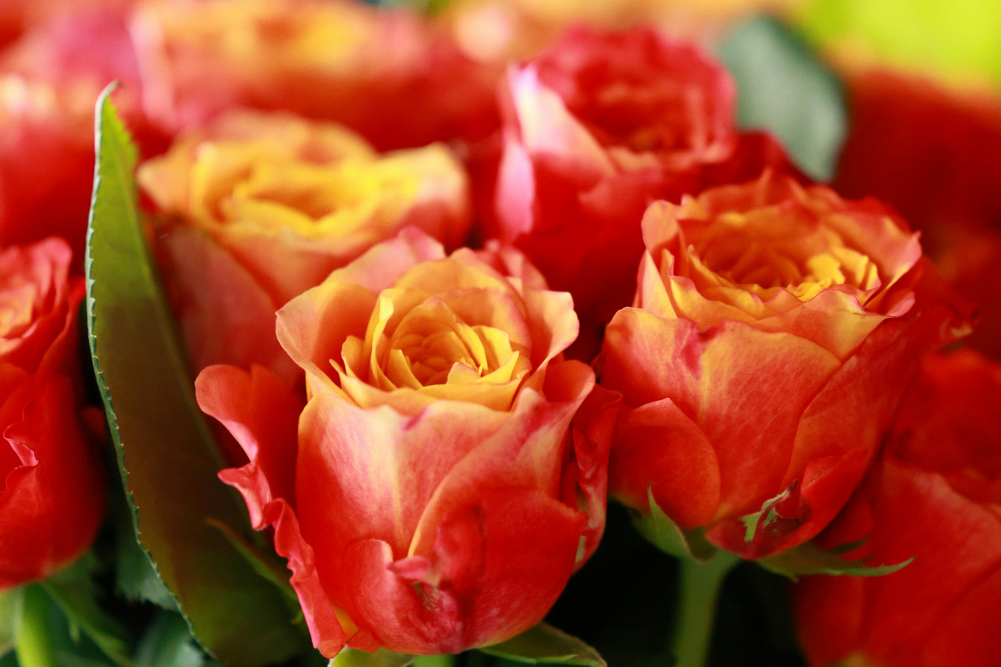
Most gardeners feel the way I do, so almost all roses for sale these days are scented. I was given a bunch of Judas roses a month ago, said to betray those who pick its blooms by unexpectedly dropping its petals. I’m not sure I want a rose called “Judas” living with us, but that bunch of parchment colour blooms had one of the strongest, sweetest scents I’ve known, and the flowers lasted for a fortnight in a vase. Not a petal dropped until the whole flower wilted.
Papa Meilland, Mr Lincoln, Buff Beauty, Prosperity, Souvenir de la Malmaison … every rose lover has their favourite rose colour, and every perfumed rose variety has its individual scent.
Explore your neighbourhood and friends’ gardens until you find roses you adore, then politely ask for some cuttings when they next prune their roses in late winter or early spring. A box of muffins is a good way to ensure a “yes” as well as keep your request in mind.
Growing roses
Plant each 30cm length of rose branch about 20cm deep in moist sand, then place the pot in dappled shade — never in full sunlight. I lost all but one of my cuttings this year in a badly placed pot when the temperature rose to 35 degrees Celsius. They had leafed wonderfully, and I’d kept the soil moist, but the tiny roots couldn’t support the leaves in harsh sunlight.
Most rose cuttings will grow leaves. Half of those with leaves will wither, but you should still have enough happily growing young rose bushes to plant out next winter. Use a proprietary hormone powder to increase success — or just plant more cuttings.
Roses love four things: sunlight, water, tucker and being picked. Picking your roses often — or snipping offthe dead ones before they produce hips — means the bush’s vigour goes into growing flowers, not fattening the seed heads.
I love patio roses and groundcover roses for their hardiness — they even thrive planted in the glaring heat of traffic roundabouts. They don’t need pruning, either. Your classic long-stemmed “picking rose”, however will need pruning, as their flowers grow on new wood. Harden your heart and cut each bush back by a third each winter, then summer prune too — each time you pick, take about three times the stem you need.
The more roses you pick, the more you need to feed the rose bush. Slow-release plant food each spring works well. Feeding weekly and weakly is even better, as long as you water in the fertiliser. If your roses don’t last in the vase for more than a week, it’s a sign your plants need more tucker.
Sunlight is essential for the best rose growth, which is why dry inland cities often have the most floriferous rose bushes. As long as the gardeners remember to water, their roses are brilliant and abundant.
You needn’t have a rose deficiency even if you only have a home unit with no balcony or garden. Dangle hanging baskets of “patio roses” or any variety that says “shade tolerant” on the label outside your windows, so the perfume can waftin. You won’t have quite as many blooms as in a sunlit garden, but there’ll be enough to refresh the soul.