Innovations in Oxygen-based Healing
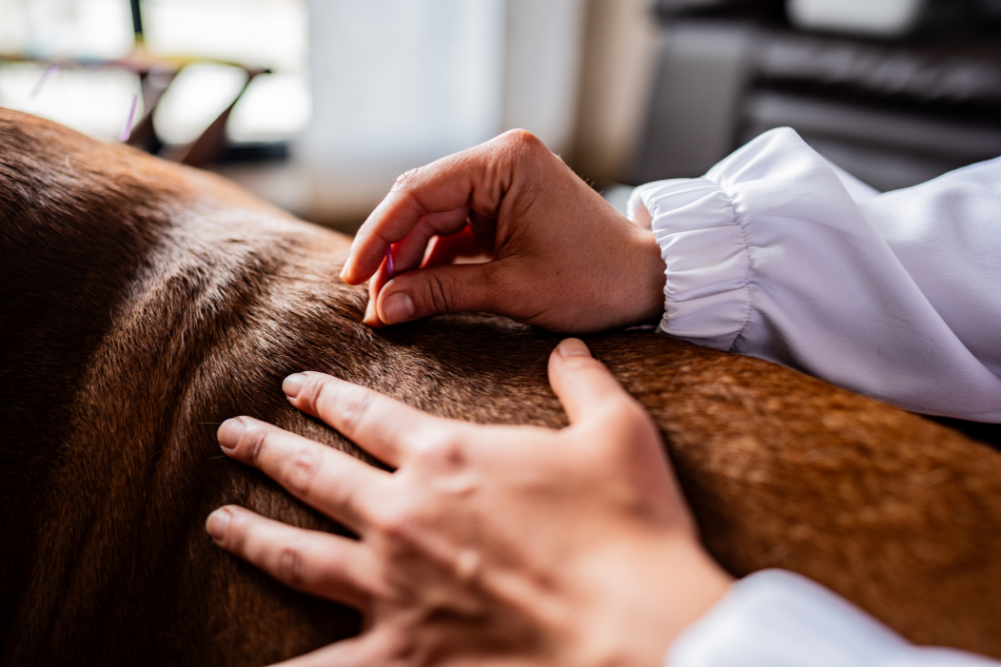
Natural options when it comes to treating ailments may include nutritional strategies, plant-based therapies, supplements, biome-restorative treatments and physical therapies such as acupuncture, massage and myofascial release. Some supportive treatments are more ‘tech’, as I like to think of them. These include ozone therapy and hyperbaric oxygen therapy (HBOT). Both may play a role in oxygenation, immune modulation and antioxidant support, and can be incorporated into a combined approach for wound healing, inflammation, degenerative disorders and chronic disease.
Ozone therapy
Medical ozone has been used since the late-19th and early-20th centuries for its immune-modulating, antibacterial, anti-viral, anti-fungal, anti-inflammatory and anti-cancer properties.
The ozone gas mix is created in a controlled environment. Oxygen is exposed to a high-energy electrical discharge inside the device, converting part of it into a mix of O3 and O2. When administered, ozone rapidly breaks down, releasing an extra oxygen atom. This creates a mild, controlled oxidative stress that stimulates the body’s own antioxidant and repair mechanisms.
Ozone is best viewed as a supportive therapy used alongside conventional veterinary care and customised to the individual patient, rather than as a standalone treatment. Potential benefits include modulating inflammation, supporting immune balance, improving oxygen delivery and tissue healing, antimicrobial effects and reducing treatment side effects.
Examples where we may use ozone in patients include dental disease, where ozone gas or ozonated water may be applied to gum pockets after scaling to reduce bacterial load, disrupt biofilm and support healing of inflamed tissue. Chronic otitis externa may benefit from flushing with ozonated saline to help reduce biofilm and manage resistant infections. Ozone gas delivered via rectal insufflation may be used to reduce biofilm before faecal microbiome restorative therapy in dogs. For cancer support, ozone therapy may help alter the tumour microenvironment, reduce side effects of conventional treatments and support immune surveillance.
Because ozone gas is highly reactive, correct dosing and safe handling are essential.
Hyperbaric oxygen therapy (HBOT)
HBOT involves having your pet placed gently in a secure chamber, where they breathe pure 100 per cent oxygen. Air pressure is gradually increased to about twice normal levels, roughly equivalent to being 10 metres underwater. This enhances tissue oxygenation and promotes healing.
Benefits in dogs and cats may include accelerated wound healing, reduced inflammation, enhanced immune function, improved recovery from injury and support for neurological conditions. HBOT may be used as a standalone therapy or incorporated into a plan.
Some conditions where we may use HBOT include cognitive decline, where it may reduce neuroinflammation, improve cerebral oxygenation and potentially “reactivate” senescent brain tissue; cardiac conditions such as feline saddle thrombus and shock; severe skin infections such as burns, bite wounds or tissue necrosis; spinal trauma, including intervertebral disc disease; and cancer support, where it enhances response to radiation therapy, recovery from surgery and may improve chemotherapy outcomes.
Treatment does not require sedation. Dogs or cats are placed gently into a clear, comfortable chamber so they can be observed and monitored throughout the session, which typically lasts around 60 minutes. Treatment frequency depends on the condition being addressed and may range from weekly to monthly or more. Animals with profound separation anxiety or a low seizure threshold may not be ideal candidates.
So what is the difference between HBOT and ozone?
Both therapies sit within the broader oxygen-based therapy space, but they are fundamentally different tools with distinct strengths. HBOT directly increases tissue oxygen levels to support healing. Ozone therapy, by contrast, stimulates biological responses through mild oxidative stress, leading to immune modulation and reduced inflammation. HBOT may function as a standalone modality, while ozone is generally used in conjunction with other treatments. These therapies are often most effective when integrated into a broader treatment plan. For example, a dog recovering from surgery might benefit from HBOT to enhance tissue oxygenation and ozone therapy to help prevent infection.
Ozone therapy sessions are typically shorter and are often combined with other modalities in the same appointment. HBOT is longer and will often be scheduled as a stand-alone appointment. Both require a veterinary practitioner with the appropriate training and equipment.
Integrative care is about supporting the body’s natural ability to heal. Ozone therapy and hyperbaric oxygen therapy offer different but complementary ways to improve oxygen delivery, calm inflammation and encourage recovery.
This article is featured in WellBeing Magazine 223