Protecting your pet from toxins
Toxins that impact people can also affect dogs and cats. Pets spend time close to the floor, groom, chew, and have relatively small body sizes. As a result, they risk receiving higher toxin exposure than we do.
Pet diets may contain highly processed ingredients and potential contaminants such as heavy metals, mycotoxins and glyphosate residues. Other environmental toxins include cigarette smoke and plastics. These contribute to chronic inflammation, oxidative damage, endocrine disorders, immune dysregulation, dysbiosis and leaky gut syndrome. Many are carcinogens.
Glyphosate and other herbicides
Glyphosate is a herbicide found in the weed killer Round up, the most widely used herbicide in Australia. It’s used in agriculture (wheat, canola, pulses and cotton), public parks and home gardens. Phenoxy herbicides (like 2,4-D) are used to control broadleaf weeds. Chronic low-grade exposure occurs via contact (walking over grass) or ingestion (licking off paws or in processed foods).
One study showed chronic herbicide exposure was associated with increased risk for bladder cancer in Scottish terriers (Glickman 2004). The same group found that regular consumption of green leafy vegetables (three or more times weekly) was associated with a reduced risk. Another study in 1991 (Hayes et al) showed dogs from households using 2,4-D herbicides had a higher risk of malignant lymphoma.
Glyphosate levels can be tested in urine, and reduced levels may be seen two to three weeks after a diet upgrade (from an ultra-processed diet to a balanced, whole-food diet). Avoid using these herbicides in the home environment, and wipe your pet’s feet and undercarriage after walks in parks or on nature strips.
Cigarette smoke
Secondhand smoke contains at least 69 recognised carcinogens. Vapes also release carcinogens into the environment. Dogs exposed to smoking households show increased risks of nasal cancer (especially long nosed breeds), lung cancer and lymphoma. Cats exposed to tobacco smoke have an increased risk of oral cancers, including oral squamous cell carcinoma. Passive smoke inhalation also contributes to chronic bronchitis.
Heavy metals
Dogs and cats are susceptible to heavy metal toxicity because of their relatively small size. Pets are exposed via ingestion from food and the environment. Large, predatory fish such as tuna and swordfish absorb and store mercury over their lifespan. Grain-free pet foods that use large volumes of root vegetables, or brewer’s rice, can introduce low, chronic levels of heavy metals if the ingredients aren’t strictly tested.
Environmental sources include corroded pipes and lead-based paint. Animals pick up paint dust in the soil on their paws or fur, and then lick it off. Some pet toys contain lead or other heavy metals. Toxins like lead and mercury will accumulate in the hair, so hair toxin and mineral testing may be useful to check for exposure. You can also test for lead in urine or blood.
To reduce your pet’s exposure, remove them from the environment if you’re renovating. Wiping feet, and wiping cats over with a damp flannel, may reduce ingestion. Rotate through dietary proteins, and avoid large oily fish (use good-quality sardines instead, no more than twice weekly). Ensure omega-3 supplements have been tested for heavy metals. Avoid poor-quality dry food and contact the manufacturer for information on specific testing.
Plastics
Many pet toys, particularly those crafted from plastic, synthetic rubber or other synthetic materials, contain endocrine-disrupting chemicals such as phthalates, bisphenol A (BPA) and polyvinyl chloride (PVC). Licking and chewing result in the ingestion of these chemicals. Microplastics carry an even greater risk.
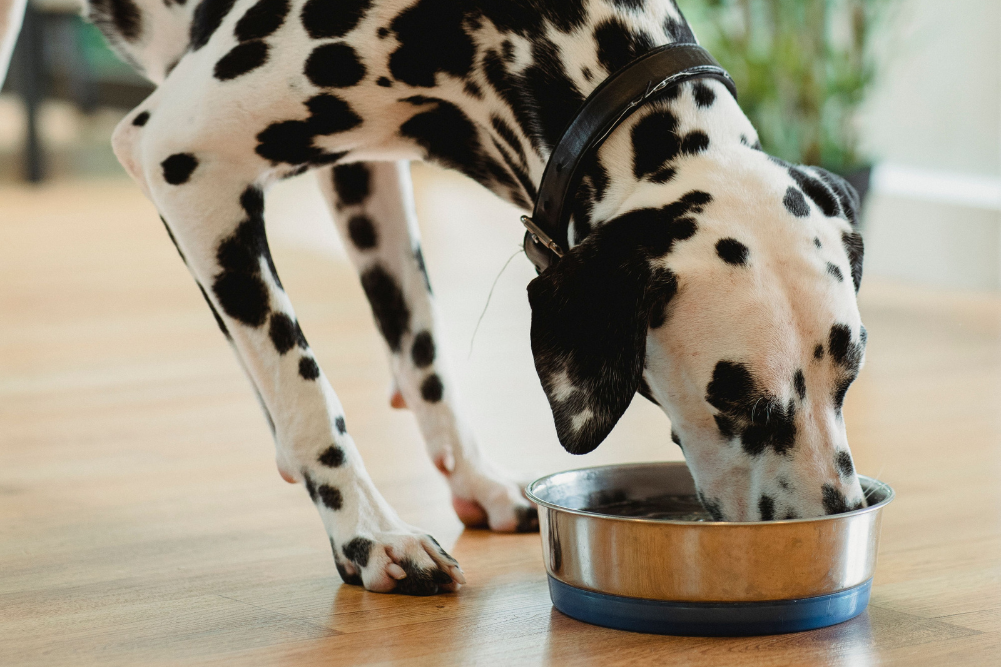
Replace plastic bowls with glass or good-quality stainless steel. Instead of plastic food-reward toys, try adding food treats to goat horns or cow hooves.
Moulds and mycotoxins
Mycotoxins are toxic chemical compounds produced naturally by certain types of moulds. Some are strongly carcinogenic. They can grow and accumulate on food crops such as corn, wheat and soy, either in the field or during storage. Mycotoxins have been linked to liver disease, immune suppression and cancer.
Treatment and prevention
Apart from reducing exposure, you can support your pet by supporting their detox system. Use fresh filtered water. Consider a HEPA filter to reduce airborne toxins. Under the guidance of a holistic vet, you can supplement milk thistle, reishi and cordyceps. Address dysbiosis and leaky gut with diet and probiotic support.
Creating a low-toxin lifestyle and supporting the body’s natural detox pathways can contribute to long term health and wellbeing for you and your pets.
his article is featured in WellBeing Magazine 225