A New Australian Seafood Experience
A world-first caviar made from Western Australian scampi eggs is giving chefs and home cooks a new way to taste the ocean.
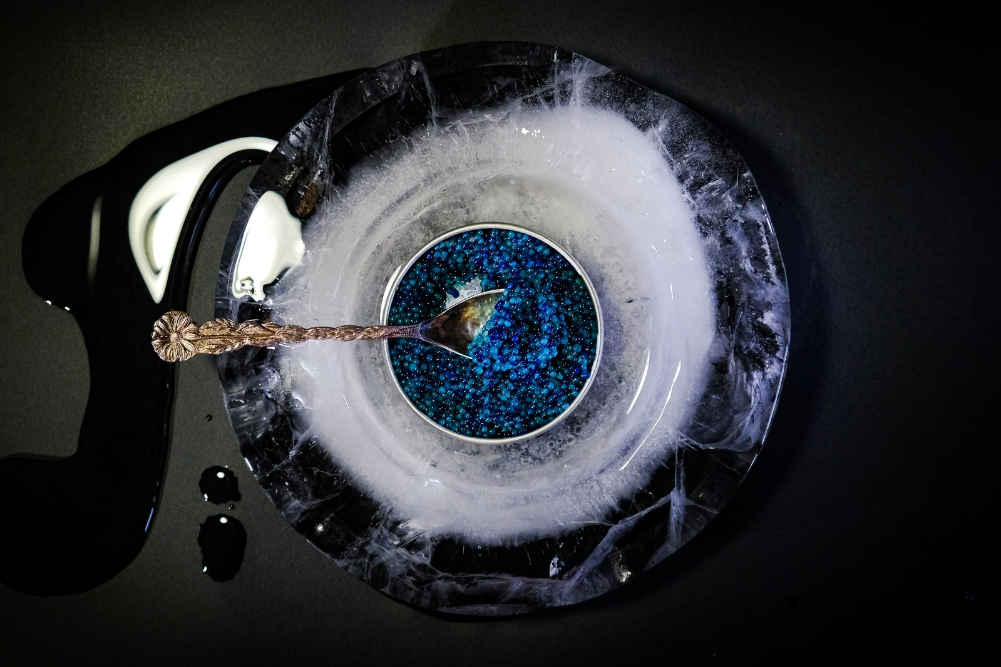
Most of us know caviar as a delicacy product, sold in small tins and saved for special occasions. Wild Scampi Caviar is made from the eggs of scampi, the slender, long-clawed crustaceans that belong to the lobster family. It is a world-first product, and it comes from waters off the Western Australian coast.
At WellBeing & EatWell, we’re drawn to food with a clear story behind it. We like knowing who caught it, how it was handled and what care went into it before it reached the plate. This caviar has a story worth telling.
From the boat to the tin
Wild Scampi Caviar is produced with Shark Bay Seafoods in Western Australia, drawing on the state’s scampi fishery. The work starts at sea. As the catch comes aboard, the eggs are individually quick frozen, which holds them in the condition they were in when they left the water.
Back on land, the eggs are thawed and processed fresh as they are needed, so each batch is prepared close to the time it will be eaten. The eggs are sorted, then cured for 24 hours with fine Australian dairy salt. After curing they are sorted a second time and packed. Part of that sorting is handled by an automated machine the team has nicknamed Bernie, which takes on some of the fine, repetitive work involved in separating the eggs.
The result is a caviar with small, delicate eggs and a unique texture. Sturgeon caviar is known for a soft, buttery melt however Scampi caviar has a distinct pop as each egg breaks.
How to taste it
The best way to get to know Wild Scampi Caviar is to taste it twice. Start with one small bump straight from the cold tin, placed on the back of your hand, and notice the texture and flavour. Then place a second bump on your hand and let it sit for a minute, warming against your skin, before you taste it.
The two will taste different. The flavour profile changes as the eggs warm, and comparing them side by side shows you how much temperature shapes what you experience. It’s a small ritual that asks you to slow down and pay attention to what is in your mouth, which is a good habit to bring to any meal.
Connecting chefs with the source
Wild Scampi Caviar reaches kitchens through The Fish Girl, an Australian seafood marketing and education business founded by chef Umar Nguyen in 2016. The Fish Girl connects seafood producers with chefs through visits, presentations, sharing events and training.
The aim is to help chefs understand the people behind their seafood, where it comes from, how it should be handled and how it can be used. That kind of knowledge matters most for lesser-known Australian seafood. A chef is more likely to put an unfamiliar ingredient on the menu after meeting the people who produce it and learning how to treat it well.
Scampi caviar is a beautiful example. It is new to most cooks, it is handled with care at every stage and it rewards anyone who takes the time to understand it.
Bringing it to the table
Like most caviar, a little goes a long way. Keep it cold until you are ready to serve, and add it at the end so heat doesn’t cook the eggs. A small spoonful on a blini with crème fraîche, over freshly shucked oysters or on soft scrambled eggs lets the pop and flavour come through without competing with too much else on the plate.
For Australians who love seafood, Wild Scampi Caviar offers a new way to enjoy something caught in our own waters, along with a reason to slow down and taste it mindfully.
Find out more at thefishgirl.au and follow @thefishgirl on Instagram