New environmental concerns
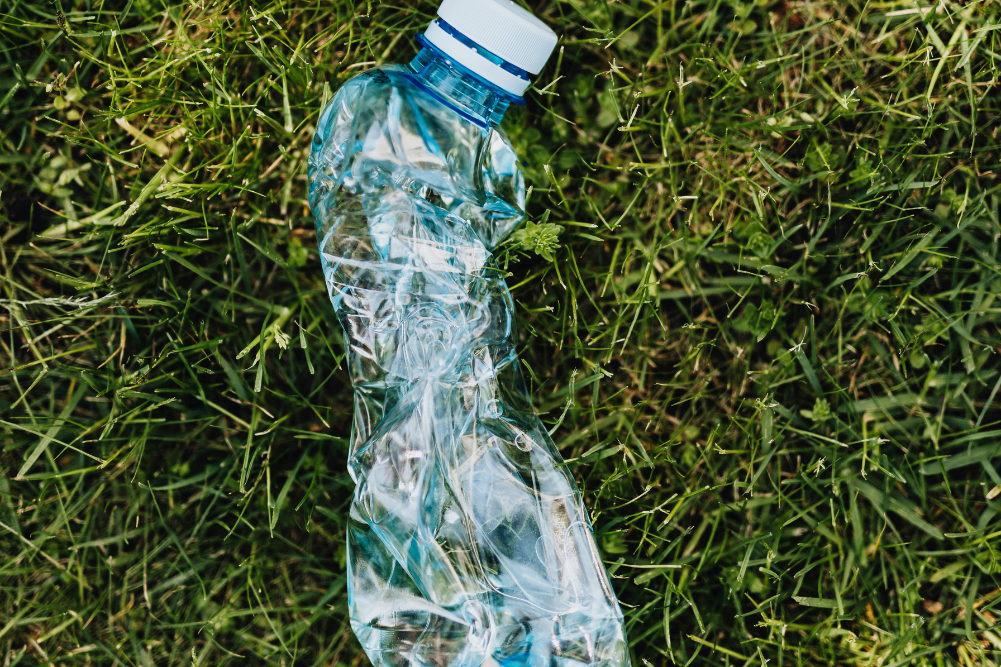
A study published in New Contaminants shows that microplastics in rivers, lakes and oceans release invisible clouds of dissolved chemicals, driven largely by sunlight, that affect aquatic ecosystems. Chemical mixtures, known as MPs DOM, are often more biologically active than naturally occurring dissolved organic matter. Researchers examined four common plastics and found each emits a distinct chemical signature that evolves as the material weathers. Biodegradable plastics released the highest amounts.
Using advanced molecular analyses, the team identified that MPs DOM contains plastic additives, polymer fragments and oxidised compounds, closely resembling organic matter from microbes rather than soil or land plants. “Microplastics do not just pollute aquatic environments as visible particles. They also create an invisible chemical plume that changes as they weather,” says lead author Jiunian Guan. These bioavailable molecules may disrupt microbial growth, nutrient cycling, and pollutant behaviour, highlighting a growing, largely unseen environmental risk as plastic production rises.
Source: Biochar Editorial Office, Shenyang Agricultural University
This article is features in Wellbeing Magazine 222