Eating well on the go
Travel Eating made easy! Discover tips for gut health, mindful choices, and wellness-friendly meals on the go.
Wellness travel is on the rise again, with people seeking nourishing food options that support wellbeing even when far from home. Eating well enhances energy, mood and digestion, helping you feel vibrant on arrival and throughout your stay. Travel often means airport food courts and hotel buffets, so choosing what’s on your plate can make the difference between feeling sluggish or energised.
Gut Health
When you’re away from your regular routine, your gut health can take a hit. Changes in time zones, eating patterns and food quality all play a role. One simple way to support gut health on the road is to incorporate fermented and fibre-rich foods. Staples such as miso, kimchi, yoghurt or sauerkraut provide beneficial probiotics that aid digestion and boost immunity. Based on macrobiotic principles, miso can be especially grounding after long flights. Its natural saltiness replenishes electrolytes and calms the nervous system, easing travel fatigue far better than sugary snacks that cause energy spikes and crashes. Having a few miso soup sachets or a small jar of paste in your bag means you can make a quick, restorative drink anywhere. Packing a small jar of sauerkraut gives you an easy, portable side that will keep your gut happy wherever you land.
A small citrus reamer — a handy tool for extracting juice from lemons, limes and small oranges — is worth tucking into your luggage. On arrival, ask your accommodation for fresh lemons (or limes or oranges if available). Hot water with fresh lemon juice can revive digestion, gently rehydrate after travel and give your system a bright, refreshing start to the day. It’s a simple ritual that fits into any destination.
Air travel and jet lag
Airports and planes aren’t exactly known for their fresh, whole-food options, but a little planning keeps you from relying on ultra-processed choices. Pack snacks that combine protein, fibre and healthy fats to keep blood sugar steady — think nuts, trail mix, seed crackers or a small tub of plain yoghurt. Many airports now offer better grab-and-go options such as salad boxes, sushi or vegetable sticks with hummus.
Hydration is essential. Carry a reusable water bottle and refill it after security. Add a slice of lemon or cucumber for a refreshing boost. Avoid asking for hot water on planes. Studies, including those by the US Environmental Protection Agency, have found that onboard hot water tanks are often not regularly cleaned and may contain microbial contaminants. Instead, enjoy your tea once you land.
What you eat before and after your flight can also help your body adjust faster. Before boarding, go for lighter meals rich in protein and vegetables, and skip heavy, greasy foods that slow digestion. Once you arrive, try to time your meals with the local clock to help reset your circadian rhythm and minimise jet lag.
Wellness-friendly resorts
The best resorts empower you to maintain your wellness goals effortlessly, even while soaking up the holiday atmosphere. If you’re planning a resort stay, look for menus that balance indulgence with fresh, nourishing choices. This means a variety of vegetables, fruits, whole grains, fresh seafood and lean proteins alongside classic holiday favourites. You don’t have to sacrifice enjoyment for wellbeing. Check whether the dining options highlight seasonal, locally sourced produce and cater to different dietary needs. This not only supports your own health but also helps sustain the community you’re visiting.
Hotel Buffets
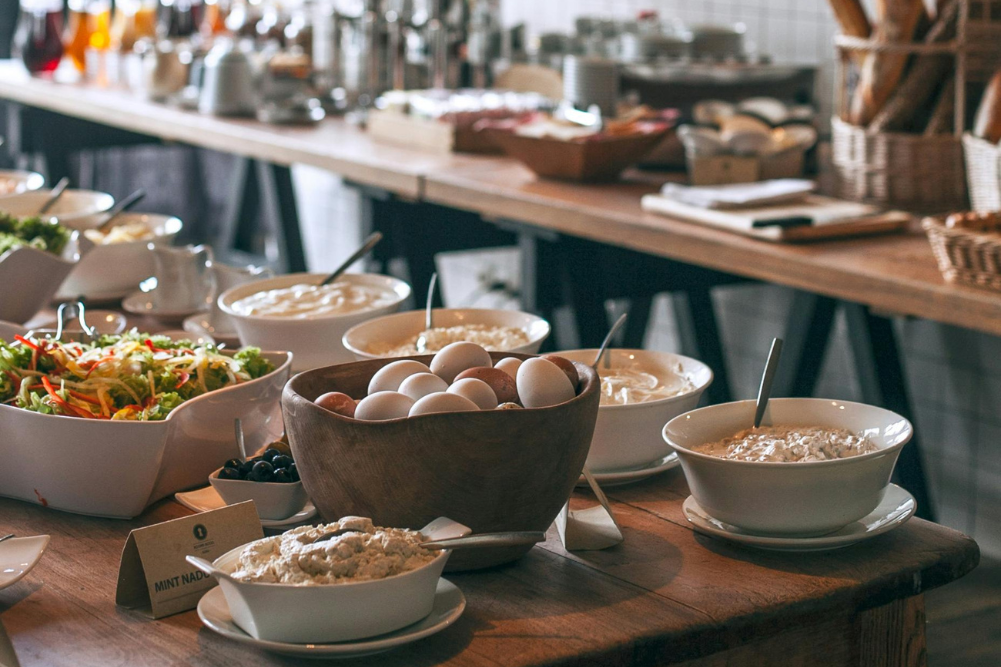
Buffets can be overwhelming with choices, many of which tend toward heavy, processed or fried foods. Before piling food on, scan the options to spot the healthiest and freshest choices. This helps you to make mindful choices that feel satisfying without tipping into sluggishness. Keep portions small and balanced for lasting energy. Fill your plate with fresh, fibre-rich vegetables with high water content — leafy greens, crunchy carrots and vibrant capsicums — which provide vital micronutrients and support hydration. Pair these with slow-release energy sources such as brown rice, quinoa or wholegrain breads. For protein, opt for lean sources such as grilled chicken, fish, legumes or tofu.
It’s okay to indulge in a treat or two (that holiday vibe is important!), but balancing indulgences with nutrient-dense options will help prevent that post-meal slump or bloating.
In a pinch
Sometimes, you just can’t get the “perfect” option. Adaptability is your friend:
- Order a burger without the bun and load up on salad, no sauce.
- Seek out salad bars or fresh vegetable sides.
- Pick low-sugar nut or protein bars from a newsstand.
- Opt for hard-boiled eggs, cheese or yoghurt tubs if they’re available.
When you focus on whole, minimally processed foods, small tweaks can keep your nutrition on track even in challenging settings.
Mindful Eating
When travelling, it’s easy to eat quickly or mindlessly due to time pressures or distractions. Digestion begins the moment you see your food. Appreciating its colours, aromas and textures triggers the release of digestive enzymes, helping your body break down nutrients more efficiently. Mindful eating means slowing down and tuning in to how your food affects your body and mood. Notice both the bold and subtle flavours. Check how satisfied you feel after each bite and stop when comfortably full. This awareness helps you recognise when you’re truly hungry versus eating out of boredom or stress. It also guides you toward choices that energise you rather than weigh you down. Mindful eating on the road can turn meals into restorative moments and reduce overeating or regretful choices.
You can still embrace local cuisine without abandoning your wellness goals. If you’re feeling adventurous, step away from generic or tourist-centric dining and explore markets and street-food stalls. They’re a great way to discover fresh, authentic ingredients aligned with whole-food principles (minimally processed, nutrient-dense). Eating slowly and appreciating the fl avours in these settings often happens naturally, which enhances your travel experience, while also supporting digestive health.
Travel Belly
Travel can sometimes upset your digestion despite your best efforts. If that happens, here are some simple remedies that may help.
- Cooked white rice Plain, cooked white rice is easy to digest and helps to firm up stools. It provides energy without irritating the digestive tract. Stick to small, frequent servings and avoid adding spices or oils.
- Grated apple Grated apple, especially when allowed to oxidise and turn slightly brown, contains pectin, a type of soluble fibre that helps bulk up the stool and soothe the gut lining. Eating it raw and grated helps gentle absorption and can reduce diarrhoea.
- Hydration with electrolytes: Replenish lost fluids with oral rehydration solutions, coconut water or diluted fruit juices. Avoid caffeine and alcohol, which can worsen dehydration.
- Avoid dairy and fatty foods Dairy and rich, fatty foods can further upset the stomach during diarrhoea episodes.
- Ginger or peppermint tea These can help calm nausea and soothe stomach cramps.
If symptoms persist for more than a couple of days or are accompanied by a high fever, blood in the stool or severe dehydration, it’s important to seek medical attention.
Recipes for the road
If you have access to a kitchen while travelling, here are three easy recipes to keep you nourished and energised without taking up too much of your sightseeing time.
Simple Sautéed Greens with Garlic and Lemon
Serves: 2
Leafy greens are rich in chlorophyll, vitamins K and C and gut-friendly fibre. Garlic brings anti-inflammatory properties, while lemon enhances flavour and vitamin C content.
1 tbsp extra-virgin olive oil
2 cloves garlic, thinly sliced
3 large handfuls fresh greens (such as kale, spinach or silverbeet), washed & roughly chopped or torn
½ lemon, juiced & zested
Salt & cracked black pepper to taste
- Heat olive oil in a large sauté pan over medium heat.
- Add sliced garlic and cook for 30–60 secs, stirring frequently until just fragrant but not browned.
- Toss in the chopped greens and cook, stirring often until just wilted (1–3 mins depending on the type of greens).
- Remove from heat. Add lemon juice and zest, season with salt and pepper and toss to combine. Serve immediately
Miso Soup with Seaweed and Tofu
Serves: 2
The salty, warming quality of miso helps counteract the “flying high” feeling and sugar cravings often triggered by travel fatigue and disrupted rhythms. It’s an ideal travel companion for restoring balance and easing the transition across time zones. This traditional Japanese-inspired soup is rich in umami flavour and offers a gentle digestive boost. Miso provides natural probiotics, wakame adds iodine and minerals, and tofu contributes plant-based protein. Look for sachets of dashi and miso paste.
2½ cups instant dashi stock (or vegetable stock)
1 tbsp dried wakame seaweed
100g firm tofu, cut into small cubes
2 tbsp white miso paste, to taste
1 spring onion, finely sliced
- In a small saucepan, gently warm the vegetable broth or dashi stock over medium heat. Not allowing it to boil at high heat can reduce the beneficial probiotics in the miso.
- Stir in the dried wakame and let it rehydrate in the hot broth for about 3 mins until softened and expanded.
- Gently add the cubed tofu to the pot and warm through for another 2–3 mins. Handle carefully to avoid breaking the tofu.
- Remove the saucepan from heat. In a small bowl, mix a ladleful of hot broth with the miso paste to create a smooth slurry.
- Return the miso mixture to the pot and stir gently to combine.
- Ladle the soup into two bowls. Top with sliced spring onion and serve immediately.
Berry Chia Yoghurt Parfait
Serves: 2
Berries such as strawberries, blueberries and raspberries are a smart, seasonal choice packed with vitamin C, fibre and antioxidants. Their natural colour adds vibrancy to creamy layers of yoghurt and chia, making this parfait as beautiful as it is nourishing. Make it with everyday supermarket staples for a simple breakfast you can prep the night before. Just keep the berries separate until serving to maintain their freshness and texture.
1½ cups plain Greek yoghurt (or dairy-free alternative)
2 tbsp chia seeds
½ tsp vanilla extract
¼ cup plant-based milk
1 tsp honey or maple syrup
1 cup mixed berries, fresh or frozen & thawed
¾ cup additional yoghurt for topping
- In a medium bowl, whisk together the yoghurt, chia seeds, vanilla, milk and honey until the chia is evenly dispersed.
- Cover and refrigerate for at least 4 hrs or overnight to thicken.
- When ready to assemble, scoop the chia pudding into serving glasses or bowls.
- Spoon a generous layer of mixed berries on top or between layers.
- Dollop the yoghurt on top and garnish with a few extra berries