Glucosamine
Glucosamine is the most popular supplement taken worldwide, first prepared in 1876 by Georg Ledderhose but not commercially available until 1939. It was initially manufactured by processing chitin from the shells of shellfish. Today, it’s also made from the tracheal cartilage of cattle used otherwise for food; reputable manufacturers make sure this is taken from cattle that have not received growth hormone. For vegetarians, it can also be manufactured from the fungus Aspergillus niger and from fermenting corn.
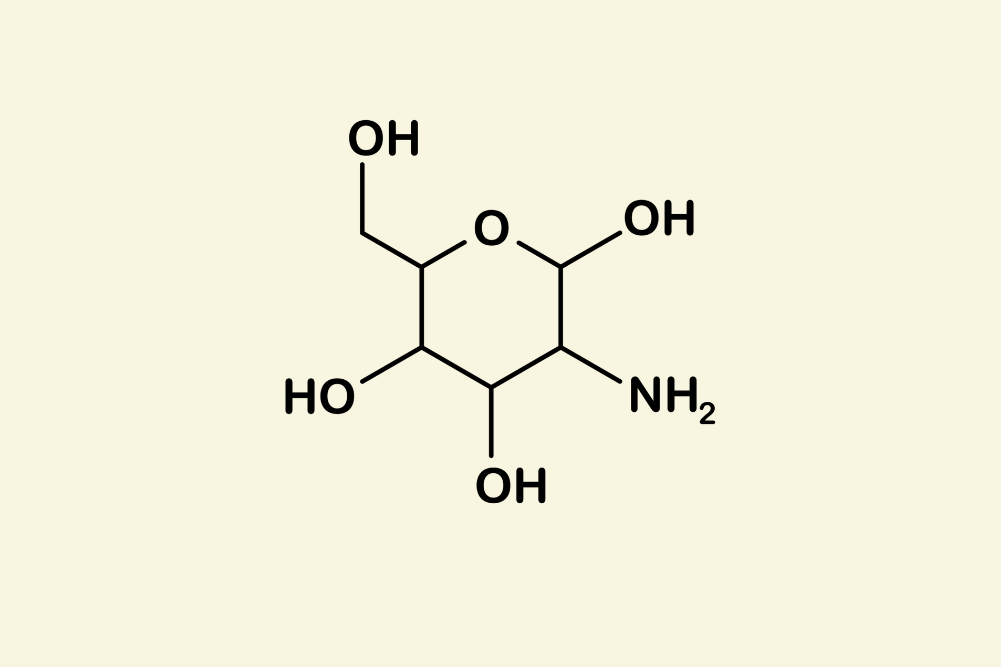
Glucosamine is an amino sugar. Amino sugars are formed in the body from glucose and an amino acid; in the case of N-acetyl-glucosamine (NAG), the amino acid is glutamine. These amino sugars bind together to form long polysaccharide chains called glycosaminoglycans (GAGs), which include glucosamine and chondroitin. They then combine with fibrous proteins such as collagen to form the extracellular matrix in the human body: the meshwork of tissue that holds cells (and therefore the body) together.
Therapeutic uses
Osteoarthritis
Idiopathic osteoarthritis is the most common form of osteoarthritis worldwide and remains the leading cause of disability with an associated socioeconomic burden in an increasingly ageing population. GAGs are a major component of cartilage (and ligaments), so supplementing with glucosamine provides the specific nutrients for the repair of these tissues while reducing the inflammation and therefore alleviating osteoarthritis.
Glucosamine is sold in various forms as sulphate, hydrochloride and NAG but the sulphur form appears to be the most effective for arthritis, sulphur being a critical nutrient in cartilage tissue.
Cancer: angiogenesis inhibition
Glucosamine (particularly as NAG) has been shown to reduce the risk of cancer metastases through angiogenesis. Early-stage cancer cells parasitise nutrients from surrounding tissue but before they metastasise, they have to grow new blood vessels (angiogenesis) to supply them with enough nutrients. So angiogenesis inhibitors, by reducing the growth of these, in effect starve the growing cancer cells and reduce the risk of spread. This is more effective for solid tumours. Research has shown glucosamine’s potential usefulness in breast and prostate cancer. In breast cancer, it downregulates glucose metabolism that supports cancer growth and is associated with decreased cell cycle progression and increased expression of the cell cycle inhibitors, thereby inhibiting the reproduction of cancer cells. In prostate cancer, NAG has been shown to reduce angiogenesis and invasion, thus reducing the risk of metastases.
Anti-inflammatory
Inflammatory cytokines have been implicated in the pathogenesis and progression of osteoarthritis and are the major cause of pain. Glucosamine has been shown to dramatically decrease the number of inflammatory cytokines responsible for the pain of arthritis.
Repair of gut membrane and microbiota
NAG is vital in the integrity of the mucous membranes of the digestive, respiratory and urinary tracts, where it is responsible for protecting against the entry of pathogenic organisms while allowing important nutrients to pass through.
People who suffer from gastrointestinal inflammatory conditions have up to three times the turnover rate of the mucous membrane. These higher turnover rates require increased amounts of the NAGs but they also tend to have reduced synthesis, resulting in a weakened mucosal layer leading to increased intestinal permeability or “leaky gut”. This, in turn, leads to a wide variety of conditions, including food allergies, inflammation, autoimmune disease, microbial infections, an altered microbiome and malabsorption syndromes.
Skin
Used as a cream, glucosamine reduces wrinkles and the brown spots of ageing by assisting in the repair of connective tissue. It helps repair scar tissue formation after surgical procedures.
Taking glucosamine
Bioavailability
Researchers have measured the concentrations of glucosamine in the synovial fluid and plasma after oral administration of glucosamine sulphate to both healthy volunteers and people with osteoarthritis. In both cases, the level of glucosamine increased significantly; however, this was still lower than what is assumed to be effective to rebuild new cartilage tissue. Applied regularly as a cream, though, glucosamine has shown significant improvement of the cartilage.
Dosage
One clinical study showed that oral ingestion of glucosamine in doses of 1500mg per day is safe to use.
Cautions
Despite some initial doubt about glucosamine contributing to insulin resistance, further research showed no evidence of this occurring when taken at standard doses. People with shellfish allergies need to take glucosamine derived from a different source.
Adverse effects can include stomach upset, constipation, diarrhoea, headache and rash, and there are recorded cases of problems with liver disease related to glucosamine supplementation. This is potentially a problem in people allergic to sulphur as the common form is glucosamine sulphate. Glucosamine hydrochloride may not have the same reactions.
Glucosamine may interfere with blood-thinning drugs such as warfarin. Being a potential angiogenesis inhibitor, glucosamine would not be recommended for a few weeks either side of surgery as it may retard the growth of new blood vessels that develop to increase the healing and repair from the procedure.