Toxin-free beauty
From hidden chemicals in skincare to the air in our homes. Here’s how to transition to a non-toxic beauty routine without the overwhelm.
Beauty and health today can feel overwhelming, dominated by complicated routines, synthetic ingredients and quick fixes. There is a more sustainable path, one rooted in nature and focused on long-term wellbeing. Living clean and avoiding toxins isn’t just a trend. It’s a healthier lifestyle that benefits your skin, body and overall wellbeing. If you’re aspiring to feel and look your best, switching to natural, toxin-free habits can make a significant difference.
Hidden toxins in everyday products
Many of the products we use every day — skincare, haircare, even home cleaning supplies — contain synthetic chemicals that can negatively impact our health. Parabens, often used as preservatives, can mimic hormones in the body and disrupt the endocrine system. This hormone interference may lead to developmental, reproductive or neurological issues over time. Sulphates, commonly found in cleaning and personal-care products, can irritate the skin and scalp, strip away natural oils and potentially lead to dryness or increased sensitivity. Phthalates, used to enhance fragrance, are linked to hormone disruption and may affect fertility, as well as increase the risk of chronic health issues such as asthma or allergies.
The problem lies in their widespread use and the cumulative effect these toxins have on both your body and the environment. Prolonged exposure can burden your hormonal and immune systems and may leave you more vulnerable to health issues over time. Meanwhile, the disposal of chemical-laden products pollutes waterways and soil, harming ecosystems and wildlife. By becoming aware of these hidden toxins, you can make small, conscious changes that support your health while reducing your environmental footprint.
Smart swaps
Transitioning to non-toxic living doesn’t have to be overwhelming or overly expensive. Before overhauling your entire bathroom cabinet, start with simple, high-impact swaps.
Take conventional antiperspirants as an example. They often contain aluminium to block sweat glands, an approach that is unnatural for your body. Aluminium has been linked to hormonal disruptions and potential long-term health concerns. Switching to natural deodorants made with ingredients such as baking soda, magnesium or coconut oil allows your body to sweat naturally while controlling odour with antimicrobial and detoxifying properties. Over time, this simple change not only reduces exposure to questionable ingredients but also helps your body function as it was designed.
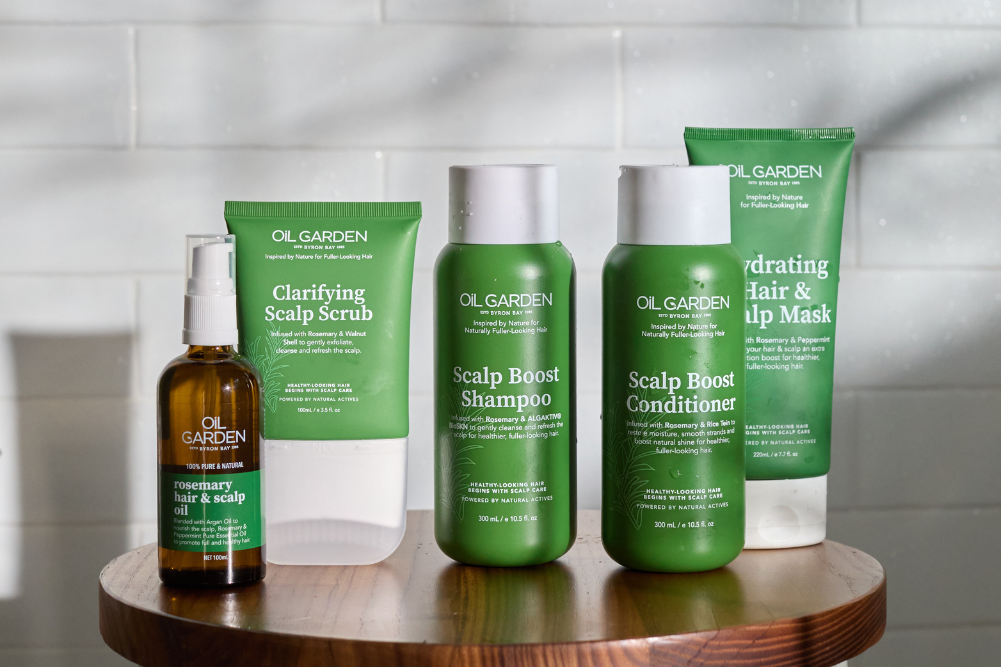
The same principle applies to hair care. Mass-market shampoos are often loaded with sulphates, synthetic fragrances and silicones that strip the scalp’s natural oils and cause build-up, leading to dry or irritated skin. Instead, opt for clay- or vinegar-based rinses, which cleanse your hair while maintaining scalp health and restoring pH balance. You can also use shampoo bars made from natural oils, herbs and botanical extracts for a sustainable, gentle alternative. These swaps not only support scalp health but also reduce plastic waste associated with conventional bottled products.
Next, you can tackle your makeup choices. Many conventional formulas contain parabens, synthetic dyes and talc that can clog pores or irritate sensitive skin. Choosing mineral-based or plant-based foundations, blushes and eyeshadows avoids these harmful ingredients while still delivering great results. Mineral makeup is celebrated for its lightweight feel and natural-looking coverage.
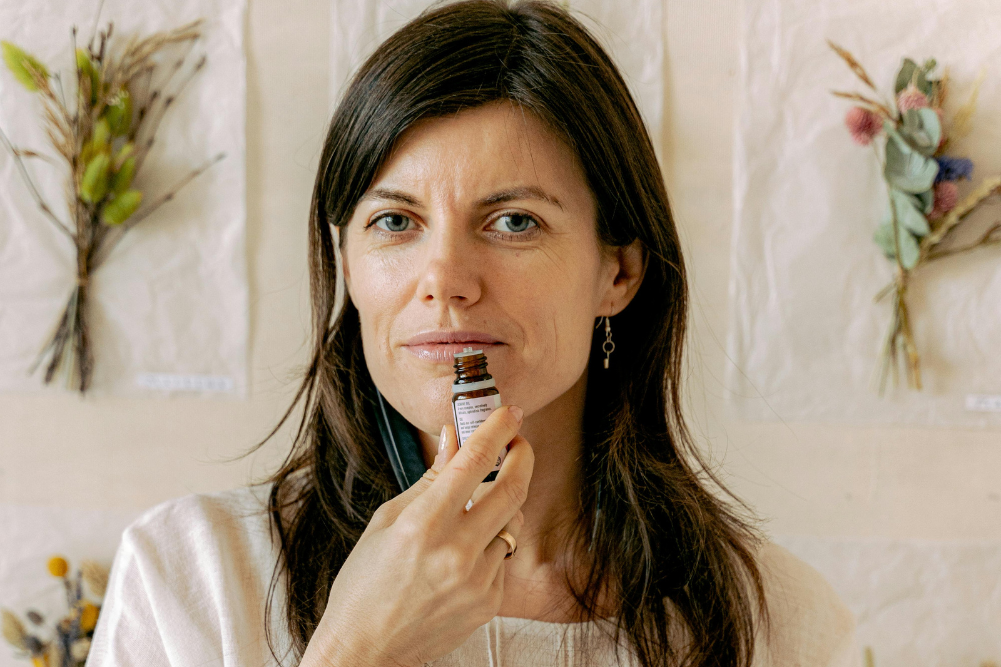
Synthetic fragrances in perfumes, lotions and body sprays can contain dozens of undisclosed chemicals, as reported by the Environmental Working Group and the Campaign for Safe Cosmetics. These hidden ingredients can accumulate in the body and contribute to hormone disruption, allergies and other sensitivities over time. Instead, embrace natural scents made from essential oils, plants or botanical extracts. Not only are they gentler on your skin, but they also off er aromatherapeutic benefits that promote relaxation, energy or focus, depending on the blend you choose.
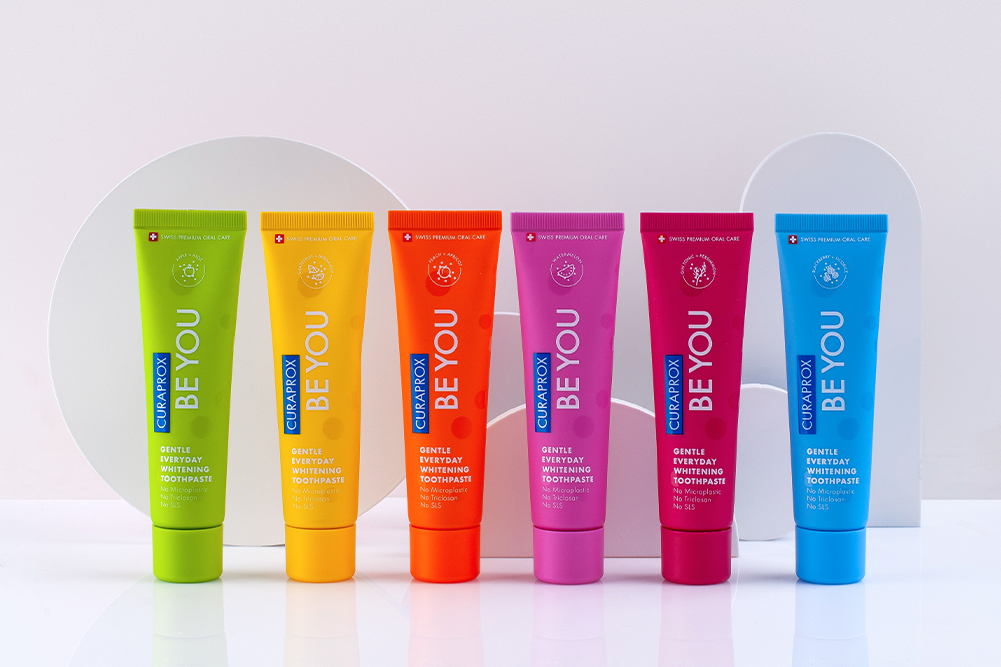
The products you use for oral care deserve equal scrutiny. Conventional toothpastes and mouthwashes often contain artificial flavourings, synthetic foaming agents and harsh chemicals like triclosan. Switching to toothpastes made from activated charcoal, baking soda or herbal ingredients can support oral hygiene without damaging enamel or irritating your gums. Look for mouthwashes with essential oils like peppermint or tea tree, which have antibacterial and refreshing properties without the alcohol content that dries out your mouth.
Making these small, focused swaps helps lower your toxin load while building sustainable habits that become second nature over time.
Sustaining non-toxic living
Once you’ve mastered a few swaps, the next step is making clean living sustainable amid the pressures and temptations of modern living.
Keep it simple
When you first transition to a non-toxic lifestyle, it’s tempting to replace every product at once. However, a cluttered shelf — even if filled with eco-friendly options — can lead to decision fatigue and unnecessary consumption. Instead, a minimalist approach helps you focus on quality over quantity. For instance, streamline your skincare routine by choosing a few multipurpose products with simple, non-toxic ingredient lists. This “less is more” philosophy ensures that your choices align with your values and prevent waste. You can apply this same approach to household items, cleaning supplies and even diet by prioritising fewer, high-quality essentials rather than an overwhelming variety.
Build habits gradually
It’s important to remember that transitioning to a non-toxic lifestyle isn’t about achieving instant perfection. Instead, focus on consistency. Swap out one toxic item at a time instead of overhauling your entire home overnight. Whether that’s replacing plastic containers with glass, choosing natural fibres for clothing or opting for homemade cleaning products, incremental changes are more manageable and likely to stick over the long term.
Create support
The journey becomes even more sustainable when you’re surrounded by individuals and groups who share your values. Connecting with like-minded communities passionate about natural health and clean living offers a wealth of benefits. It provides an opportunity to share tips, discover new resources and gain accountability. Online forums, social media groups or in-person wellness meet-ups can serve as a platform for exchanging ideas and progressing together. These connections also reinforce your mindset on tougher days when you might feel overwhelmed or tempted to revert to old habits.
Become a thoughtful consumer
Every product you purchase has the potential to either support or undermine your non-toxic lifestyle. By carefully reading labels, researching brands for transparency and considering whether an item truly aligns with your values and needs, you can make decisions that foster both sustainability and intentionality. Opt for small, local businesses or companies that emphasise ethical sourcing and eco-friendly production.
Shape your environment
Your environment matters too. Create a home or office that aligns with clean living by decluttering spaces and reducing exposure to potential toxins. Incorporate air-purifying plants, use natural cleaning solutions and eliminate synthetic fragrances. A clean, minimalistic space not only reduces toxin exposure but also promotes clarity and calmness, reinforcing positive habits.
Keep learning
Stay committed by equipping yourself with knowledge. Become informed about the latest research on non-toxic products, cooking practices or environmental toxins. Make time for self-care activities that support a non-toxic lifestyle, such as preparing fresh, wholesome meals, taking regular nature walks or practising mindfulness. Avoiding burnout is key. Nurturing both body and mind keeps you motivated for the long run.
What no one tells you
Transitioning to clean beauty and toxin-free living can be deeply rewarding, but it often comes with a few surprises. One of the most important lessons is that even natural ingredients are not universally for everyone. Plant-based products and essential oils, while beneficial for many, can still trigger irritation or sensitivity. Patch testing is essential. Essential oils should be diluted properly to avoid allergic reactions or sensitivity flare-ups.
Clean beauty requires shifting your mindset and adjusting expectations. Results can take time and embracing a slower, more mindful approach to self-care helps you stay patient and consistent. Think of it as an investment in long-term health, not a quick fix. One size doesn’t fit all. What works for one person may not work for another. Pay attention to how your skin and body respond, and don’t be afraid to simplify your routine until you find what truly supports you.
Beyond the basics
Swapping to toxin-free skincare is a great start and when you’re ready to go further, you can incorporate less-discussed beauty methods. Oil cleansing, dry brushing and facial massage are time-tested practices that improve skin health, boost circulation and encourage the body’s natural detox processes. Take your clean living to the next level with these rituals.
Conventional cleansers can strip your skin of its natural oils, leaving it dry and vulnerable to irritation. Oil cleansing offers a gentler, more nourishing alternative. Natural oils like jojoba, argan or rosehip bind to impurities such as dirt, makeup and excess oils, removing them without disrupting your skin’s natural moisture barrier. At the same time, these oils hydrate and replenish the skin. This method is suitable for all skin types, especially dry or sensitive skin, and leaves your face feeling clean, soft and balanced. Plus, skipping synthetic cleansers reduces exposure to harsh chemicals that can lead to long-term irritation or sensitivity.
Dry brushing is a simple yet powerful way to support natural detox. Using a soft-bristled brush, this technique gently exfoliates dead skin cells, leaving your skin smoother and healthier. The benefits extend beyond surface-level beauty. It stimulates lymphatic drainage, which helps your body eliminate toxins and boost circulation. Over time, this can lead to brighter, firmer skin and an overall sense of rejuvenation. Dry brushing is also a moment of mindful self-care, allowing you to connect with your body in a meaningful way without relying on chemical treatments or expensive spa procedures.
Facial massage is another underrated practice to naturally tone and refresh your skin. Techniques like gentle lymphatic tapping or gua sha sculpting are known to promote circulation, reduce puffiness and give your skin an organic glow. Combined with a nourishing oil — such as almond or avocado oil — you can also deeply hydrate and feed your skin with vitamins without the need for synthetic anti-ageing products. As an added bonus, regular facial massages can also relax facial muscles and reduce tension, supporting a more youthful appearance and overall sense of wellbeing.