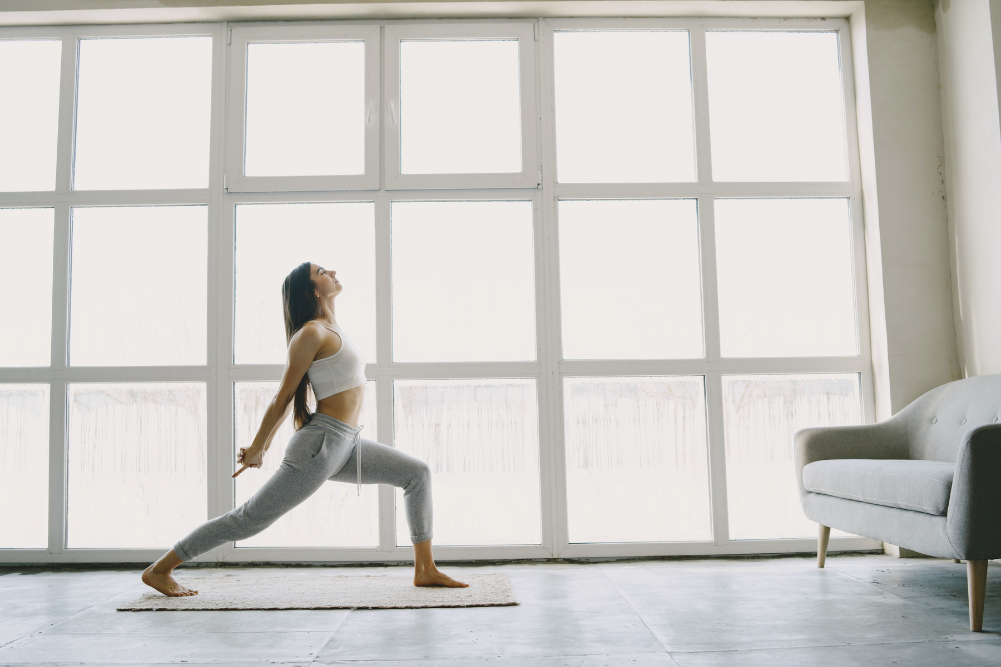
Yoga for tweens and teens
Discover how yoga, Ayurveda & mindfulness help tweens and teens navigate adolescence, emotions & body changes.
Imagine if I said to you, from this very moment, you have the world at your feet. Anything you want to be, have or know will be possible, but there is a catch. You will be filled with chemicals that hijack your body and brain, causing you to feel every emotion under the sun with burning intensity. There will be a desperate need to be seen and heard, but no one will understand you, nor you them. It will feel like you are living in someone else’s skin, speaking another language, and you will likely be uncomfortable and awkward much of the time. You will be bursting with potential and possibility, yet it will all appear completely impossible, leaving you overwhelmed and, often, defeated. Welcome to the world of tweens and teens. The interim period when kids are teetering precariously between childhood and adulthood. Their bodies change at an alarming rate, their emotions can feel enormous and they fluctuate between being optimistic about the future and paralysed by self-doubt.
Traditionally, societies viewed adolescence as a time of initiation, with ceremonies and rituals to help acknowledge, honour and navigate this transition. With this lacking in most modern cultures, yoga, Ayurveda and mindfulness can offer teens the tools to navigate the journey themselves. The rocky bridge to adulthood can be fortified with strong foundations so that whatever stormy waters rage below, teens will be supported as they cross over to become who they are meant to be.
The bride between childhood and adulthood
According to the science of Ayurveda, a branch of Vedic knowledge like yoga, life is divided into three stages, and each stage is dominated by one of the doshas — kapha, vata and pitta. The early years of childhood are governed by the kapha dosha or earth and water elements. This slow, steady energy nourishes growth and stability. In old age, we move towards increased vata dosha, characterised by the movement and change we feel in the air element. This airy phase explains the dryness of skin and sleeplessness that occurs as we age. Ayurveda views adolescence as the bridge from childhood to adulthood, sitting between these two great energetic forces. It is dominated by the pitta dosha, the hot, sharp and transformational fire and water elements. This big shift from kapha to pitta is where we step on to the bridge and see increased energy, curiosity and intensity.
In the early stage of this transition, tweens hover in that space between childhood and adolescence, swinging between earth and fire. As a parent, one minute you still have that young, grounded kid, curled up with you on the couch. The next, they’re having a meltdown over owning the wrong kind of tracksuit or passionately lobbying for climate action.
Calming Pitta
Due to this fi ery imbalance in teens, Ayurveda suggests a focus on calming pitta. The first step though ,is recognising pitta’s spicy nature. While society doesn’t hold back their eye rolls when it comes to young people, you can teach them to have compassion for themselves. This is half the battle. The more earth and water friends and family can bring towards them, the less we will fan the flames with our reactivity. Staying cool, calm and collected when they are not, and encouraging self-love and patience in them is the most helpful thing you can do.
Lifestyle and diet practices can help to calm pitta too, though they may not be the things teens are necessarily drawn to. For example, avoid hot, spicy, salty and oily foods — the junk they love to eat. Instead, favour sweet, bitter and cooling fruits and vegetables like melons and cucumbers. Grounding foods such as dairy, oats and legumes (yoghurt, porridge and dahl) are also recommended.
Other earthy practices that soothe pitta, such as meditation, calming breathwork, pranayama and asana, will foster strength and stability. Routine and rhythm are highly beneficial, providing an anchor when everything else is so uncertain. A consistent daily schedule will be an asset. Try setting a regular yoga and meditation practice on the same day and at the same time.
Body and mind
Teenagers experience radical change at every level of their being. Physically, they are experiencing rapid growth spurts. Their bones are elongating sometimes faster than their muscles can keep up. This can lead to tightness, pain and discomfort. Exacerbating this, extended screen time and periods of sitting mean weaker core muscles, slouching, increased self-consciousness and lack of self-confidence — all of which compromise posture. Emotionally, they are on a rollercoaster. Their brains are rewiring at a lightspeed pace, madly pruning to make space for new pathways. Hormones are stirring the pot, causing them to feel everything all at once and creating mood swings and restlessness. Fortunately, a body of research has shown that yoga and mindfulness practices can support all these challenges.
Early adolescence is a critical window for interventions that promote emotion regulation, stress resilience and self-awareness, precisely the skills yoga fosters. Studies show that mindfulness practices help tweens and teens manage anxiety, reduce symptoms of ADHD and improve their relationships with peers and teachers. Another study found that mindfulness can bolster the mental health and executive functioning of preadolescent children, while a Swedish study offers compelling evidence of the positive benefits of yoga as a complementary intervention for a wide range of psychological symptoms and cognitive functions in adolescents.
It’s not just their mind that will thank them. The body will too. Asana postures, particularly those that focus on lengthening the spine, stretching the hamstrings and hips and opening the shoulders, off er relief to the physical changes. When combined with breath practices, they can improve posture. Strengthening the core and lower body helps them feel grounded, literally and metaphorically. Their centre of gravity is shifting, and yoga helps them find a new one.
Yoga philosophy
Yoga Sutra also offers many philosophical principles that can greatly benefit adolescents, helping them connect back to themselves. For example, Patanjali’s niyamas, or internal observances, like svadhyaya (self-study), invite teens to observe their inner world and behaviours without fear of being judged or wrong. Santosha (contentment) asks them to be ok with who they are and what they have. Instead of comparison, they can embrace gratitude. Tapas (discipline) teaches that challenges are part of growth, not something to avoid, and that sacrifice is part of the deal if you want something in life.
In Bhagavad Gita, Arjuna stands on the battlefield eld paralysed by self-doubt, unsure of who he is or what to do. Krishna meets him there, not with answers, but with presence. He doesn’t fi ght the battle for him. He stands by his side and reminds Arjuna of his true nature. Teens are standing on their own little battlefields between childhood and adulthood, trying to work out who they are and what matters. The adults in their lives have the great privilege to be present for them, just like Krishna.
Yoga empowers young warriors to manage their own regulation and start to trust themselves. It offers breath when emotions flood the system. It builds strength when they feel small. It teaches that every thought and feeling, no matter how big, will pass. Teens learn that they are not their moods, their marks or their followers. With body awareness, they notice where tension lives in their bodies and when their body is warning them that something’s not quite right. Their bodies can tell them whether they are safe even before the mind does, which gives them the courage to walk away from situations that don’t feel right for them. Yoga connects them to the deeper, quieter part of themselves, away from the noise of the world, to the part that always knows the right thing to do.
Riding the waves
One of the most valuable things yoga offers tweens is a toolkit for riding the waves of feelings, instead of drowning in them. Pranayama is especially powerful here. Techniques such as three-part breath, simple counting breaths or extending the exhale activate the parasympathetic nervous system, shifting the brain out of reactivity back into clarity. Meditation and mindfulness teach that thoughts are like bubbles — rising, floating and eventually dissolving. They come and go. There’s no need to chase them, simply watch. Short, simple meditation practices are circuit breakers for tweens to do regularly.
Imperfection in the digital teenage
Surviving adolescence has become more complex since the digital age. In particular, the inability to make mistakes and learn from them, prevents them from going through a normal, critical stage of growing up. According to the World Health Organisation, serious mental illness is affecting a record number of young people, and research suggests that the increase in perfectionism may be one of the most important dimensions contributing to the mental health crisis. It’s crucial for teens to get comfortable with the messiness in themselves, others and life. This means accepting all the imperfect parts of themselves — the good, the bad and the ugly. When tweens make bad decisions (which they are meant to) the stakes are now much higher than ever. In the digital age, mistakes live online forever. Cancel culture makes it even trickier, because if you really mess up, you may get “cancelled” before your adult life even begins. In yogic myths, like the story of Virabhadra or Rama who forgave those that wronged them, we learn that everyone messes up and it’s never too late to start again or make amends. These stories can help tweens and teens embrace their mistakes and learn to become accountable too.
Practise
This grounding practice is designed to calm the fi ery pitta-dominant nervous system and help tweens and teens connect to their inner sanctuary. It also improves posture by lengthening the spine, opening the chest and shoulders, strengthening the core and stretching the neck, hamstrings and hips. Take 3–4 breaths in each pose, doing both right and left sides as needed.
Child’s pose
Knees together or apart, arms either side of body or hands reaching forward, focus on the breath in and out.
Tabletop/cat-cow
On all fours with hips over knees and shoulder over wrists, hug navel to spine. Inhale, slide shoulders away from ears as you curl tail up and open chest. Exhale reverse, tuck tail under and draw chin to chest. Repeat.
Anahatasana
Keep hips over knees, walk hands forward and take chin or forehead to earth.
Downward dog
Walk hands slightly forward, tuck toes and extend legs. Bend knees and press chest to thighs opening chest more. Then extend legs again, keeping length in spine.
Forward fold
Walk hands to feet, clasp hands behind back and fold forward over legs. Let wrists move overhead to open shoulders and extend the legs as best you can.
Warrior one
Roll up spine, step one foot forward. Bend front knee at right angle, with back leg straight and sole of the back foot down. Square ribs forward.
Tree pose
Stand with feet hip-width apart. Place sole of one foot into inside of thigh on standing leg. Keep hips even, pelvis lifted and gaze at one point to stay stable.
Boat pose
Sit with legs together, float feet off earth either with bent knees or legs extended.
Bridge pose
Lying on back with feet hip-width apart, lift hips up. Support lower back with hands or a block, or interlace fingers behind back and take a few slow breaths.
Seated twist
Sit and cross one foot over extended leg. Hook opposite elbow over knee. Keep spine extended and breathe.
Box breath
Bring awareness to breathing from lower belly instead of chest. Add a slow count, in for four, out for four. Continue like this or add a hold for four after the inhale and after the exhale. Draw an imaginary square while you do it.
Bubble meditation
Notice sensations in the body. Become curious about all the physical sensations. As you do, start to observe your thoughts. As you notice thoughts arise, let them bubble up and then let them float away.