Are you an eccentric gardener?
Jackie French celebrates the eccentric gardeners among us, those who garden with passion, purpose, and a healthy disregard for convention.
Hands up, truthfully: do you adore fresh broad beans? Are any hands up at all?
I hated broad beans till I tasted home-grown baby ones. I didn’t even recognise what they were. These delicious tiny green morsels weren’t covered in a plastic-like coat. They don’t taste just “vaguely green”, but sweet and with an unknown flavour. They were so tender they dissolved with the first chew.
“What are they?” I asked.
My hostess looked confused: I’d been writing on gardening topics professionally for years back then: 25 ways to train a possum not to eat the parsley, 10 tricks with fruit fly. I even collected rare fruit trees.
“They’re just broad beans,” she said, once the shock at my ignorance had died down. “But I pick them young.”
Broad beans are one of the few veg that grow through winter and crop in early spring, when last summer’s crops are going to seed, like artichokes and asparagus.
Once I’d tasted those fresh broad beans, straight from the garden, none of their flavour lost in chilling, and picked too small to grow that plastic skin, I was hooked. I understood why eccentric gardeners bother with the extra effort.
Growing broadbeans
First prepare the ground, well dug. A scatter of wood ash helps prevent brown spot on broad beans, as does a crop of garlic grown before you put in broad beans.
I like to pull out the garlic crop around December, then grow a fast-growing heat-hardy crop like bok choi, with lots of feeding. Weeds can’t take over, and pulling out the bok choi then raking the soil leaves it perfect for broad beans.
Sow the seeds as deep as they are wide in midautumn for spring maturing, or in early spring if you have long cool early summers.
Remember that broad beans don’t set seed in hot weather. Plant at the right time, or not at all.
Stake tall growing varieties. Dwarf broad beans don’t need staking, but the plants will have more access to sunlight and produce more if you do stake them.
Feed weakly, weekly, and keep feeding during harvest to extend the picking season. But the key word is weakly, or you’ll get lots of green growth and a poor harvest. Use compost if possible. A high nitrogen fertiliser does not create a decent crop, just a lush one.
Don’t worry about aphids on the top leaves. Squash them, or even ick the tips, wash off the aphids, and stirfry the tender young leaves.
Mulch as soon as the first flowers appear in spring. This will keep moisture in and improve the soil, but will also keep the soil and plant roots cool as the weather warms. You broad beans will crop for two-to-three months instead of a fortnight.
Pick beans young for best taste. Eat the beans inside the pods, but baby beans can also be eaten whole, pod and all, though only for one or two days after they have set fruit. Picking encourages the plants to produce new flowers and beans. Pick often, even every day.
Guests can also find it fun to peel back the pods and pick out their own beans at the beginning of a meal.
If a few caterpillars are grown accidentally, save the seed to plant next year as long as it is an old-fashioned variety, not a hybrid. You can also dry them, to add to soups and stews where long cooking will properly tenderise them — but remove that “plastic” skin first, laborious but necessary.
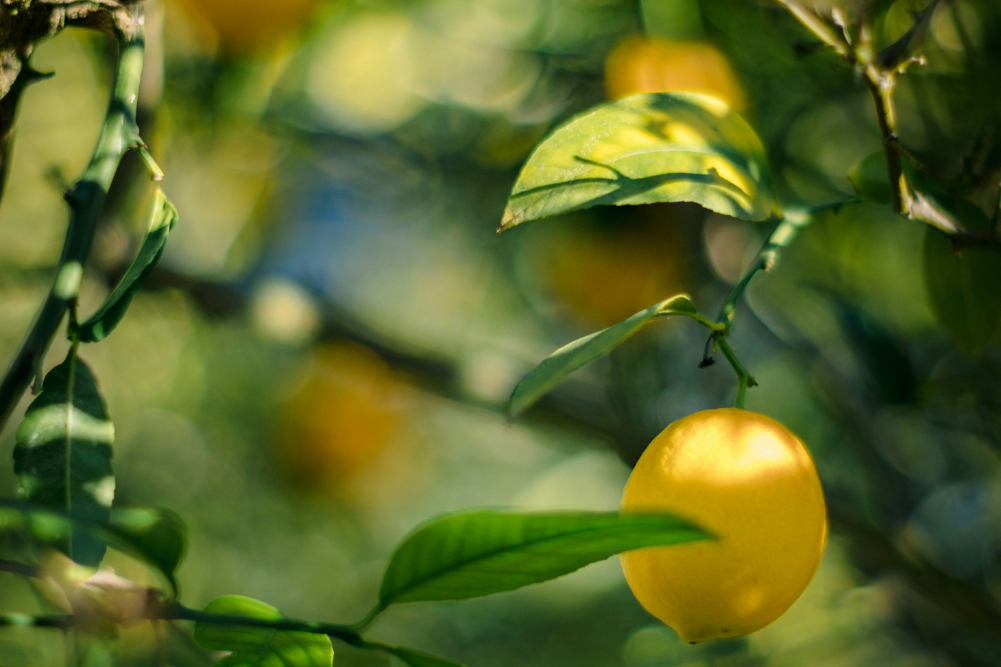
And yes, this is all a lot of work, a job for eccentric gardeners who love being out in the garden, or eccentric cooks who care more about the taste and texture than appearance. A dish of oval beans, even with a lemon, olive oil and garlic dressing, doesn’t look worthy of a photo. The joy is in the eating.
Eccentric crops for eccentric gardeners
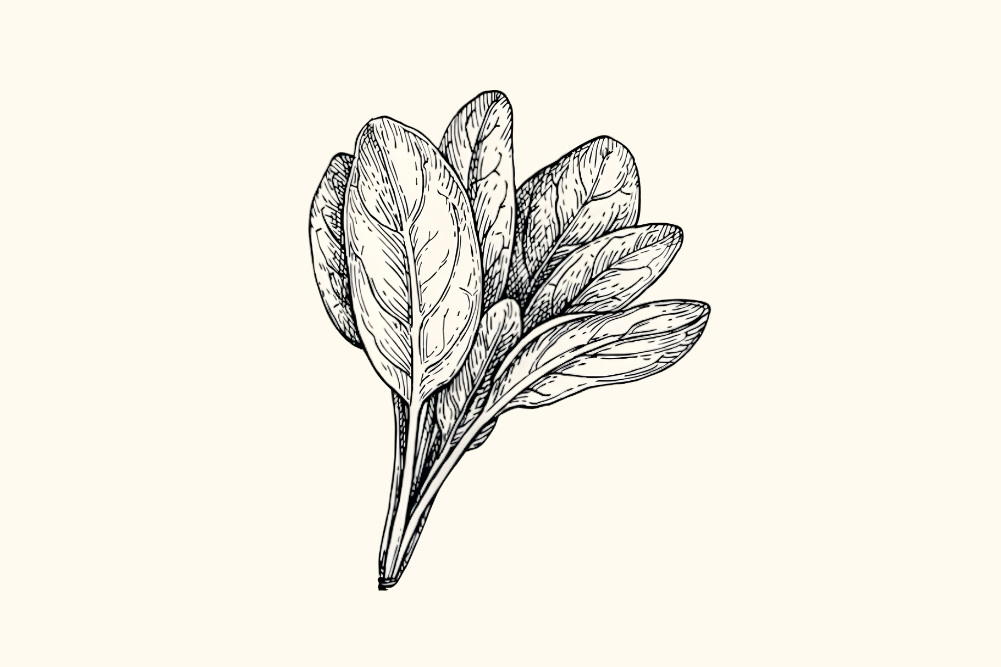
For some reason March is the time to plant other “eccentric” crops, like English spinach. Why not stick to silver beet that can be grown and eaten all year round?
Or buy frozen spinach?
Easy: English spinach, grown in cool to cold weather, is sweet and tender. Silber beet is not. Frozen spinach seems more stalk than green, plus it lacks flavour or texture.
English spinach just needs full sun, weekly watering feeding while it’s growing — stop in winter when it no longer is giving new growth, and then 30 seconds, no more as you stir-fry it, steam it, or add at the last minute to casseroles.
Garlic can be planted now. Yes, it is cheap to buy, but once you have grown and tasted fresh young garlic, you will always grow it.
You can also put in Russian garlic, which forms massive but mild cloves, but is best picked in late winter before it forms its paper shell around each clove. Use it as a mild garlic-flavoured onion, added whole to longcooked casseroles, or sautéed in thin slices and placed on top of toasted and excellent sour dough, with a topping of rich Greek yoghurt.
Try early onions. The best is “flat white”, fast maturing, sweet, and with a flavour, but just a pungency.
Most gardeners never try these. It needs true eccentric gardeners to spend the time caring for them, watching them grow, and then share the bounty with friends.