Chickpeas
Chickpeas have a range of health benefits from weight management to heart protection.
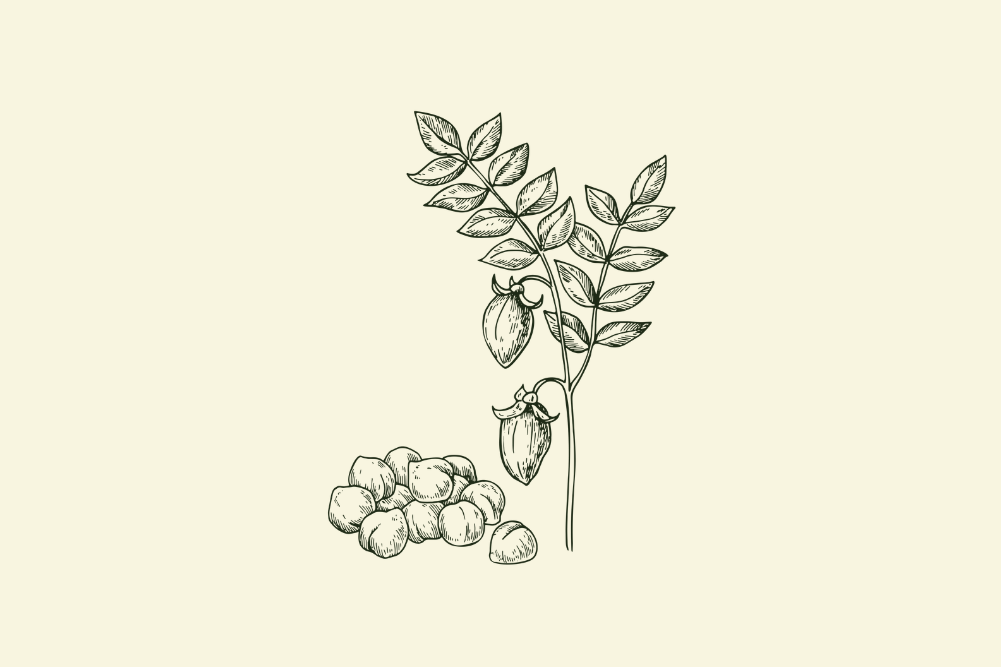
Chickpeas come in different colours: yellow, green, red and black. There are two major types today: the light-seeded kabuli type and the smaller, darker desi type. High in protein, chickpeas are one of the earliest cultivated legumes – 7500-year-old remains have been found in the Middle East, in the archaeological sites of Jericho and Cayonu in Turkey, where it’s thought they were originally domesticated.
Ancient people associated chickpeas with Venus and they were eaten to increase sperm, milk and urine production — the last for the relief of kidney stones. They have been used roasted as a coffee substitute, too.
Apart from being a food source, historically, the leaves, stems and pods of the chickpea plant were grown for various acids, which were harvested by spreading a thin length of muslin over the crop during the night. The cloth was pressed out in the morning to collect the acids. These were used for various medicinal purposes: as an aphrodisiac, for bronchitis, mucus build-up, cholera, constipation, diarrhoea, indigestion, flatulence, snakebite, sunstroke and warts.
Further, the chickpea has been used to expel parasitic worms from the body, as well as to treat blood disorders and biliousness (liver or gall bladder related).
Chickpea nutrition
Chickpeas contain dietary bioactives such as phytic acids, sterols, tannins, carotenoids and other polyphenols such as isoflavones. They are lower in trypsin and chymotrypsin inhibitors than other legumes, leading to higher bioavailable nutrition levels and fewer digestive problems. In the 1600s, botanist Nicholas Culpepper stated they were less windy and more nourishing than other legumes.
Chickpeas have a similar nutrient profi le to both vegetables and protein foods, so can be used to partly fulfi l the requirements of both food groups. They are high in protein (including the essential amino acids lysine, isoleucine and tryptophan), dietary fibre and resistant starches, polyunsaturated fatty acids, vitamins A, E and C, folate, magnesium, potassium and iron.
They have a higher digestibility than other legumes and cereals.
Cooked chickpeas are 60 per cent water, nine per cent protein and three per cent fat (of which 75 per cent are the unsaturated fatty acids, mainly linoleic acid).
Soaking and cooking increases protein quality, digestibility and essential amino acid index while reducing the sugars and increasing the fibre. Germination improves protein digestibility but retains the water-soluble minerals and B vitamins more effectively.
A 100g serving of chickpeas meets the recommended daily value of iron and zinc in a daily 8400kJ diet, while 200g meets daily magnesium requirements.
Cooking
Chickpeas are used in the culinary world in multiple ways: as cooked legumes, as flour, popped (like popcorn), boiled, baked or fried, but the most popular preparation is in hummus, where they are cooked, ground into a paste and mixed with tahini, olive oil, lemon juice and various spices and eaten as a snack or meal. Chickpeas can even be preserved in syrup and eaten as sweets, or the liquid (aquafaba) made into a meringue (as an egg white replacement).
Studies on humans consuming chickpeas or hummus twice a week showed they had better scores for a variety of nutrients compared to non-consumers, including higher levels of dietary fibre, PUFAs, vitamins A, C and E, folate, magnesium, potassium and iron.
Four tablespoons of hummus provide the equivalent of two cups of legumes and vegetables per week.
Therapeutic effects of chickpeas
Weight management
Diets high in fibre, low in energy density, with a low GI and moderate protein are important in weight control. Regular consumers of chickpeas were 53 per cent less likely to be obese and 51 per cent less likely to have an elevated glucose level than the normal population. They also had a lower body mass index and lower waist circumference.
Glucose & insulin response
Chickpeas have a low glycaemic index (GI) of 15–28, depending on whether consumed as hummus or beans. The higher fat content of hummus lowers the GI. In one 20-week study, chickpeas significantly improved glycaemic control in 45 subjects with cardiovascular disease. Chickpeas improve insulin resistance and prevent postprandial hyperglycaemic and hyperinsulinemia induced by a high-fat diet, reducing the risk of type 2 diabetes.
Cardiovascular disease
Another study showed chickpea consumption was associated with a significant reduction in total serum cholesterol and low-density lipoproteins. A high-chickpea diet also decreased systolic blood pressure in overweight individuals and visceral adiposity improved, indicating a reduction in risk factors for cardiovascular disease.
Gastrointestinal system
Human studies of chickpea consumption report overall improvements in bowel health and normalisation of bowel movements.
Adding 1.5 cups (or more) of chickpeas to the diet on a weekly basis has shown major nutritional improvements, with consumers of hummus showing significantly higher scores for nutrients from total vegetables (including green and orange vegetables) and whole grains.
This makes chickpeas a tasty and easy way of improving health.