Healing Powers of Herbal Teas
Put on the kettle, pour a cuppa and enjoy all the health-boosting benefits of tea.
Every year, Australians are dinking more coffee and less tea and, in the process, we’re missing a golden opportunity to down a beverage with incredible health and healing punch. Tea is more than a tasty, soothing drink that comes in a variety of flavours; it also has plenty of hidden health benefits to treat health niggles and chronic conditions as well as protect against disease.
A brew with big benefits
Whatever your cup of choice — English breakfast, green or dandelion tea — your body enjoys an immediate increase in health-giving antioxidants such as plant compounds called flavonoids and polyphenols. When you weigh up all the evidence, tea is the healthiest hot beverage you can drink.
Tea appears to have more health benefits than coffee and around 50–60 per cent less caffeine per cup. Within 20 minutes of drinking a cup of black tea, there’s a measurable increase in the level of antioxidants in your blood. Tea ranks higher than some fruit and vegetables on the ORAC (Oxygen Radical Absorbance Capacity) scale, which measures antioxidant levels in foods. The polyphenols in tea help protect the body against free-radical damage, which harms DNA and leads to disease. Three to four cups of tea a day appear to give optimal benefit.
Tea offers a range of health benefits backed by research. A University of L’Aquila study found that even one cup of tea daily (about 200mg flavonoids) helps keep arteries soft and flexible, lowering blood pressure and heart attack risk. Research from the University of Western Australia shows that elderly women who drink tea have higher bone density, possibly because tea supports a more alkaline state and calcium loss prevention.
Polyphenols in tea may also reduce the risk of gastric, oesophageal and skin cancers. At Curtin University, researchers found that three cups of green tea daily may lower the likelihood of prostate and ovarian cancer and may improve survival rates. Green tea also supports healthy weight by boosting metabolism and increasing kilojoule burning, possibly thanks to L-theanine — an amino acid that enhances alertness without overstimulation.
Technique and taste
Most tea comes from the evergreen camellia plant (Camellia sinensis), the basis for more than 3000 varieties of tea. The more it’s processed, the darker the tea leaves. Green tea (eg sencha) and white tea cultivated from the young leaves in early spring (eg baihao yinzhen) are the least-processed teas and their leaves are steamed. Black or regular tea (eg Earl Grey and Irish Breakfast) and varieties like oolong (e.g. Wuyi rock tea) are partially dried before being crushed and fermented.
Most health research focuses on green tea because its simpler structure makes it easier to study in a lab. However, all tannin teas contain health-enhancing phytochemicals, regardless of how they are processed. To maximise your cuppa, choose a loose-leaf variety and steep it for three to five minutes to extract up to 85 per cent of the flavonoids. Big tea leaves need to steep for longer while tiny pieces of tea infuse faster.
“When people drink chamomile tea five times a day over two weeks, their markers of antibacterial activity increase, helping boost their immunity”.
Herbal Infusions
“Herbal teas” are made by infusing or decocting leaves, flowers or roots of plants other than Camellia sinensis. Infusions can have a wide range of soothing, healing and medicinal properties. To maximise their power, buy organic and loose leaf so you enjoy the full benefits of the essential oils and antioxidants. For beneficial herbal infusions, here are some to keep in mind:
Chamomile
Chamomile comes from the Asteraceae family of plants that have white petals and yellow stems and look like daisies. The two most commonly used varieties are German chamomile (Matricaria recutita), which tastes a little sweeter than Roman chamomile (Chamaemelum nobile). The tea is made from the dried blossoms of the chamomile flower, but fresh blossoms from your garden can also be added for additional taste that has antioxidant, anti-inflammatory, anti-fungal and astringent healing benefits.
Chamomile is well known for its calmative and antispasmodic properties. Drinking chamomile tea increases glycine, a nerve relaxant with mild sedative properties. This makes it a great tonic to help with digestive issues including ulcerative colitis and gastritis, stomach pain and indigestion as well as relieve menstrual cramps in women. When inhaled as a vapour, it also works a little like a natural antihistamine to relieve symptoms of cold, flu and allergy.
Chamomile tea contains powerful volatile oils including bisabolol (oxides A and B) and matricaria. It’s also rich in flavonoids. One of these, called apigenin, has been shown to strengthen the connection between brain cells and has been studied to help treat conditions like depression and dementia. Apigenin binds to the benzodiazepine receptors in the brain, acting like a mild tranquilliser. This is why chamomile tea can help benefit sleep onset and sleep quality.

Ceylon cinnamon
In Ayurveda, people use Ceylon cinnamon tea to address conditions related to muscle tension, blood sugar, digestion, circulation, and congestion, among other ailments. It has one of the highest levels of anti-inflammatory activity among foods, living up to its description as a “powerhouse of the spices.” Cinnamaldehyde is the primary bioactive compound in cinnamon and a powerful anti-inflammatory. Recent studies have shown cinnamon’s ability to relieve stiff joints as an anti-inflammatory.
A major focus of the medical use of Ceylon cinnamon has been in the treatment of diabetes as it appears to be an effective option for lowering blood sugar. Studies have also shown its efficacy in regulating blood sugar and cholesterol levels. It can help enhance digestion through the secretion of digestive enzymes and absorption of nutrients. Ceylon cinnamon’s anti-bacterial, anti-fungal and anti-viral properties and the smell of cinnamon in boosting brain activity are also topics of research studies on this incredible spice.
Dandelion
A powerful herb featuring b right yellow flowers, dandelion is loaded with flavonoids, which have antioxidant actions that benefit the heart and may protect against cancer. Historically, it has been used in Europe and Asia as a health tonic and diuretic, so it can relieve fluid retention that arises from stress or hormonal fluctuations during the menstrual cycle and menopause. This fluid-reducing action has been confirmed by research involving the University of North Carolina, which showed a significant increase in the frequency of urination within five hours of dandelion doses.
Like all bitter herbs, dandelion is a strong digestive stimulant, so it can help enhance your absorption of nutrients, relieve indigestion and settle nausea. As a herbal lipotropic, this potent herb helps flush fatty deposits from your liver and stimulates bile production, facilitating your liver’s detoxification process.
Dandelion is also rich in inulin and levulin, starch-like substances that help balance blood sugar and act as prebiotics, which feed good bacteria in your belly. However, if you are sensitive to FODMAPS (carbohydrates that can cause digestive problems), use sparingly as it can trigger gastric irritation or mild diarrhoea in some sensitive people.

Fennel
With its pale-green/white bulb, stalks, feathery, green leaves and yellow flowers, fennel looks a little like a hybrid of celery, onion and buk choy. In the Mediterranean, people use fennel as a carminative herb to help relieve bloating, flatulence, dyspepsia, indigestion, and colic in babies. In Italy, people often eat raw fennel between meals to support digestion. The seeds, produced by the yellow flowers of the fennel plant, are also a potent spice and medicine.
You can buy fennel tea ready-made or make it fresh by lightly crushing fennel seeds in a mortar and pestle and then steeping them in boiling water. Fennel is high in vitamins C and B and is also packed with minerals such as copper, zinc, selenium, magnesium, potassium, calcium, and phosphorus, which help strengthen bones. It packs an antioxidant punch due to its mix of flavonoids, alkaloids and phenols, which also work as anti-inflammatories, reducing ageing and protecting against diseases like cancer.
Studies show that fennel tea also has numerous hormone-balancing benefits. Menopausal women who take fennel daily experience improved vaginal alkalinity and cell health (Jundishapur University of Medical Sciences). It is also effective at relieving symptoms of PMS (Urmia University). A gel made from fennel extracts has been shown to reduce excess hair growth in women with conditions like polycystic ovaries when applied topically (Mazandaran University of Medical Sciences).
A potent expectorant, fennel is effective when used in cough syrups to help thin mucous secretions and prevent chronic cough or development of bronchitis. Research shows it can also defend against microbes, bacteria and fungal growth, so it can boost good bacteria in the belly and reduce parasites and candida overgrowth. If you have a sensitive digestive system, drink a lower-strength tea to ensure it does not have a laxative effect.
Ginger
A relative of cardamom and turmeric, ginger tea has been used throughout history to boost digestion and circulation. Studies have shown that ginger compounds accumulate in the digestive tract, which may be why it’s so powerful in helping to soothe nausea, morning sickness, motion sickness and digestive upset. Also, growing evidence shows that ginger may inhibit the growth and spread of estrogenic cancers of the breast and ovaries as well as other types of cancer.
Gingerols, which are the active component of the thick, knotted rhizome root of the Zingiber plant, have potent anti-inflammatory actions. Gingerols also inhibit an enzyme called COX-2 (cyclooxyrgenase), which causes inflammation, and relieve pain by blocking pain receptors in the brain that respond to heat and acidity. Research shows that ginger can also reduce asthma symptoms (by helping dilate constricted airways) and can help alleviate arthritis pain. A daily intake of ginger can reduce the pain of sore muscles by 25 per cent, according to research from the University of Georgia.
Lavender
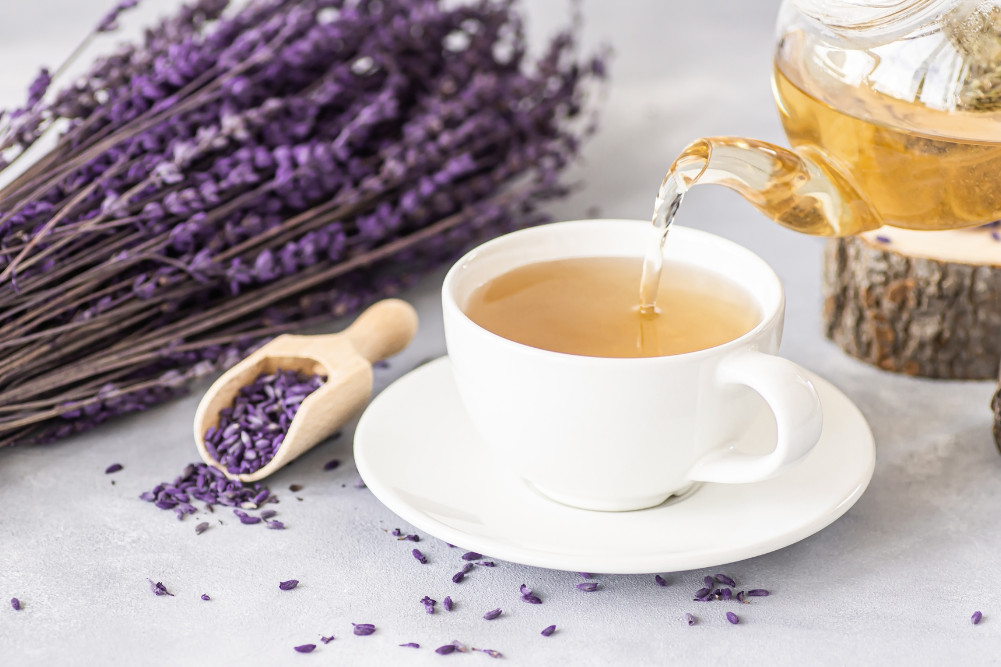
Historically, herbalists and healers have used lavender tea to relieve all manner of ailments, from migraines, depression, anxiety and stomach aches to hair loss and infertility. Lavender is a balancing tonic that can reduce the levels of bad bacteria so you absorb nutrients more effectively and experience fewer digestive upsets such as gas and bloating.
Taken internally as a tea, lavender may help to lower the risk of gastric ulcers. It can reduce indigestion by stimulating the body’s production of digestive juices and bile. It also helps settle acidity in an anxious stomach while its antispasmodic effects benefit the sensitive nerves in your digestive system, reducing the likelihood of nausea, cramps and tummy pain or distension.
Lavender tea can act as a tonic for a jittery nervous system and lead you to a more sedate and still state of mind. Lavender can also help promote skin healing and better quality of sleep. Research involving small sample groups has shown that, when inhaled, lavender can help relieve symptoms of nasal congestion for up to two hours. This potent purple flower also has antiseptic properties that can reduce symptoms of a sore, tickly, inflamed throat.
“Lavender tea can act as a tonic for a jittery nervous system and lead you to a more sedate and
still state of mind”.
Liquorice
Liquorice, with its strong aniseed flavour, has many uses. Its adaptogenic properties can help balance stress hormones and sex hormones. Liquorice tea can help boost energy (so is best avoided at night). Chemicals in lavendar called amorfrutins help reduce blood sugar (thereby lowering insulin levels). Some use it as an expectorant to help reduce coughs and spasms during conditions like bronchitis. For your digestive system, it can act as a mild laxative and antacid. By protecting the lining of the stomach, it can help reduce heartburn and dyspepsia. Research by the University of Maryland has shown that, in 90 per cent of people with peptic ulcers, liquorice root eliminates or partially relieves their symptoms.
Moringa
People refer to moringa as the “miracle tree” because almost every part of the plant has multiple uses, including medicinal ones. Ayurvedic practitioners have used moringa for over 5,000 years to help address a wide range of ailments, from skin infections to anaemia, asthma, and anxiety. Studies suggest that the bioactive compounds of moringa have strong antioxidant capacity. In addition, supports glucose and lipid metabolism and helps stabilise blood pressure.
Peppermint
The menthol oil in peppermint tea has many health benefits. It can relieve sinus problems and cold symptoms and stimulate better gall bladder function. It’s also great for oral health and alleviating bad
breath. Research at the University of Cincinnati has also found that, when infused into the air, peppermint can help boost alertness and concentration. So when you pour your peppermint cuppa, make sure to inhale the mentholated steam.
Peppermint tea settles digestive issues, which is why people with irritable bowel syndrome often find it incredibly soothing. Mint has carminative properties, so it can help reduce the tummy spasms that contribute to IBS and also relieve other symptoms of IBS such as bloating, wind, diarrhoea and pain. In fact, research by the Nerve-Gut Research Laboratory at the University of Adelaide has shown that peppermint helps activate “anti-pain” channels in the colon. If you have reflux, though, the relaxing impact may cause the valve at the top of your stomach to relax too much, allowing acid to reflux into the oesophagus.

Raspberry Leaf
American Indians including the Chippawa and Cherokee used the raspberry plant as a remedy for digestive problems, toothache, coughs, fluid retention and kidney stones. Raspberry leaf tea contains vitamins including A, B, C and E. It also boosts levels of potassium, phosphorous and calcium. Research shows that the shoots of the plant have antimicrobial, antioxidant and anticancer actions. They are rich in ellagic acid
and alter oestrogen metabolism, reducing hormonal oestrogen-fed cancers, according to research from the University of Louisville.
Tulsi
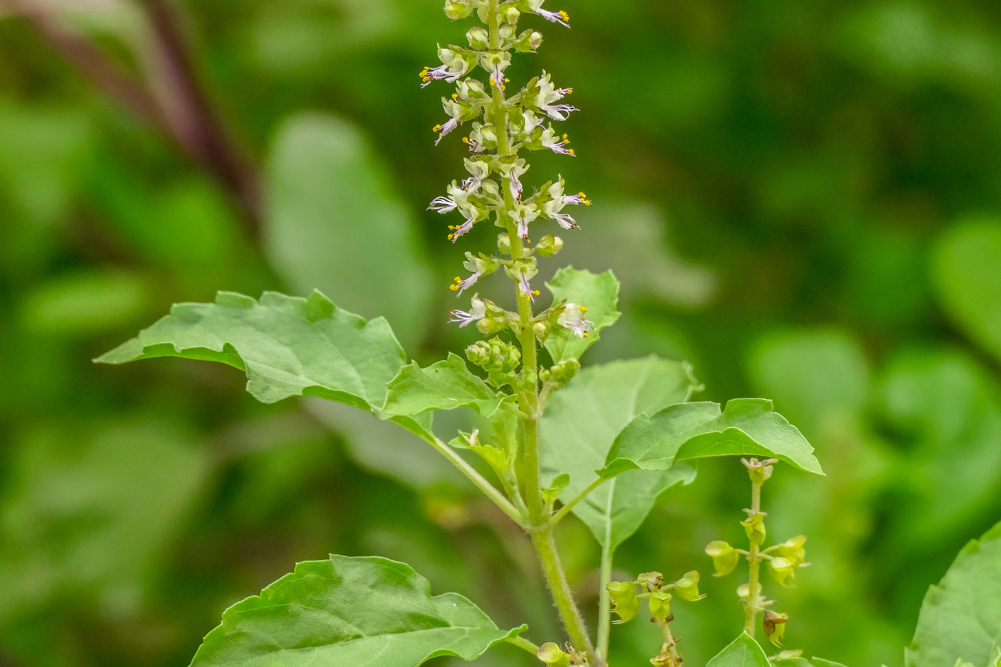
People also know this aromatic herb as holy basil, and in India they consider it sacred, calling it “the Queen of herbs”. Consumed as a nourishing tea, it lowers stomach acid and increases protective mucous secretions, helping settle digestive complaints. Its methanol extracts have analgesic properties that can relieve back pain and headache. Research has confirmed that this wonder herb can also stabilise blood-glucose levels, lower blood pressure and lower bad LDL cholesterol.
A herbal adaptogen, tulsi tea helps restore hormonal balance by supporting body systems that affect hormone and energy production, immunity and cardiovascular, respiratory and lymphatic function. This makes the tea a powerful calming tonic to counter adrenal burnout. Research has shown it can help to reduce stress, anxiety and depression as well as improve sleep and reduce exhaustion.
Tulsi tea delivers powerful antioxidant and anti-inflammatory benefits. It contains phytochemicals that support heart health and help protect the body against disease. Use caution when drinking Tulsi tea. Holy basil acts as a mild anticoagulant, so people taking blood-thinning medications should avoid it. Stop using it several weeks before surgery.
Turmeric
Revered as one of the most important herbs in Ayurveda, turmeric is the “Superhero of Spice”. People use turmeric to address a wide range of health conditions affecting the immune, respiratory, nervous, circulatory, and digestive systems. Traditional healers also use turmeric’s anti-inflammatory and antiseptic properties to treat joint pain, improve joint mobility, and help heal wounds. Turmeric contains major curcuminoids of which curcumin is one.
Several studies have indicated that curcumin is beneficial to the immune system and protects against immune-related diseases. In addition, scientific research has shown turmeric to have potent anti-viral, anti-bacterial and anti-fungal activity as well as effectively protecting against inflammation. Curcumin helps reduce oxidative stress, stimulates the body’s antioxidant mechanisms, and may lower the risk of various chronic diseases whilst stimulating the antioxidant mechanism in the body.
Stephanie Osfield is an award-winning freelance health journalist, published in Australia and overseas. She is an advocate of nutritional medicine and specialises in all aspects of health, from exercise and disease prevention to stress, depression and women’s health issues.