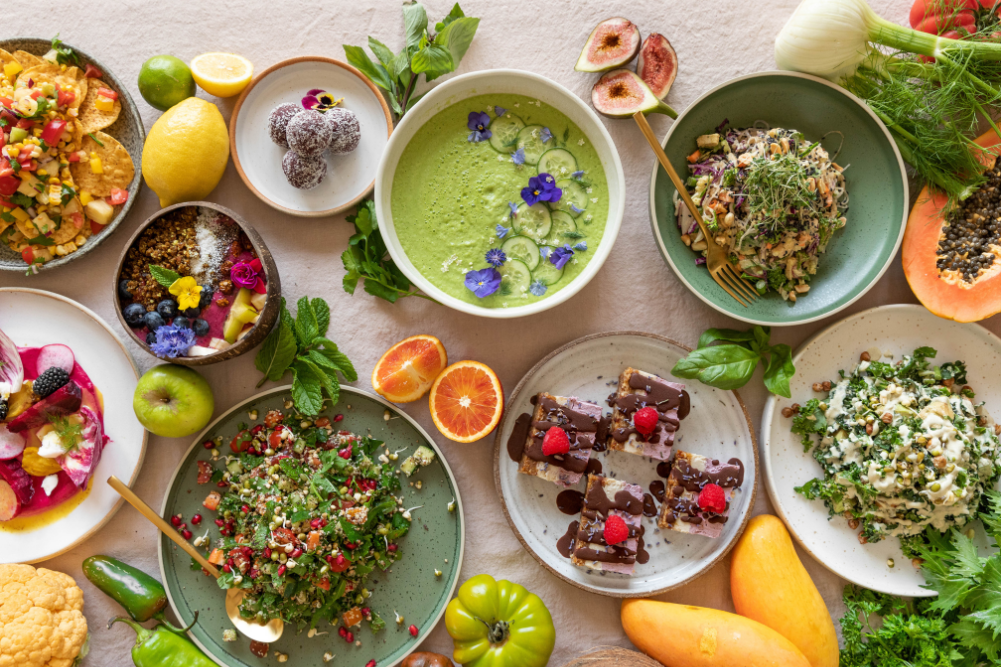
Eat the Rainbow
In the realm of nutrition, the phrase “you are what you eat” resonates more profoundly than ever. With the hustle and bustle of modern life, it’s crucial to focus not just on what we eat, but also on how visually appealing our meals are. Enter the rainbow diet, a delightful, vibrant approach to weekday meals and entertaining. By prioritising colourful salads and vibrant dishes, we can significantly enhance our health while enjoying a feast for the eyes.
Eating a diverse array of colours is not just a culinary trend, it makes up the foundations of nutritional science. Each colour in fruits and vegetables signifies different nutrients and health benefits that can have a profound impact on your overall vitality. For instance, reds, greens, yellows and purples each contribute unique vitamins, minerals and antioxidants that our bodies crave.
By incorporating these colours into your meals, you enhance your intake of essential nutrients, making your diet not only more appealing, but also nutritionally sound.
The rainbow diet and overall health
Diversity in our diet plays a crucial role in promoting overall health. Research shows that a colourful and diverse diet can help reduce the risk of chronic diseases, including heart disease, diabetes and certain cancers. By consuming a variety of foods, you ensure your body receives a balanced mix of nutrients necessary for optimal functioning.
Health benefi ts of colour
1. Chronic disease prevention
A diverse array of colourful foods can help mitigate the risk of various chronic diseases. Antioxidants found in brightly coloured fruits and vegetables, such as those in the red, orange, and purple spectrum, combat oxidative stress in the body. This stress is linked to conditions like heart disease, cancer and diabetes. By consistently consuming a variety of colours, you’re actively supporting your body’s defences.
2. Enhanced mental wellbeing
The colours of food can also affect our mood and mental health. Research suggests that visually appealing meals can enhance feelings of happiness and satisfaction. The act of preparing and appreciating food that is vibrant and colourful encourages mindfulness and a positive relationship with eating. It can turn an average meal into a celebration, potentially reducing stress and anxiety.
3. Improved digestion
A diet rich in colourful fruits and vegetables is often high in fibre, which is essential for healthy digestion. Fibre helps to regulate bowel movements, prevent constipation and maintain gut health. Additionally, many colourful foods contain prebiotics, which support the growth of beneficial gut bacteria, further enhancing digestive health.
4. Increased energy levels
The nutrients found in colourful foods can help boost your energy levels. For instance, iron-rich greens like spinach and nutrient-dense fruits like bananas provide the essential vitamins and minerals your body needs to function optimally. By regularly incorporating these foods into your meals, you’ll likely notice an increase in your vitality and energy throughout the day.
Understanding the significance of colour
The pigments in fruits and vegetables signify different nutrients and health benefits, each playing a distinct role in our health.
Reds: Foods like tomatoes, strawberries and red bell peppers provide essential compounds like lycopene and vitamin C. Lycopene, a powerful antioxidant, helps reduce the risk of heart disease and certain cancers, while vitamin C boosts the immune system.
Oranges and yellows: Carrots, sweet potatoes and orange bell peppers are rich in beta-carotene, which our bodies convert into vitamin A. This vitamin is crucial for eye health, immune function and skin vitality.
Greens: Leafy greens such as spinach, kale and collard greens deliver a potent mix of vitamins K, A and C, along with various minerals like calcium and iron. These nutrients support bone health, blood clotting and energy production.
Purples and blues: Eggplants, blackberries and blueberries contain anthocyanins, which have been shown to improve cognitive function and may reduce the risk of diabetes and heart disease. These colourful additions also support healthy ageing.
Whites and browns: Foods like garlic, onions and mushrooms provide unique compounds with anti-inflammatory and immune-boosting properties. They can help protect against chronic diseases and enhance overall health.
By incorporating these colours into your meals, you’re not only enhancing their visual appeal, but also ensuring your body receives a comprehensive mix of nutrients essential for optimal functioning.
The joy of living foods
One of the most exciting aspects of a colourful diet is the incorporation of living foods, those that are still alive, such as sprouts and microgreens. Sprouts are nutritional powerhouses packed with vitamins, minerals and enzymes that enhance digestion and absorption of nutrients. They’re incredibly easy to grow at home, making them an accessible option for anyone looking to enhance their meals.
Adding sprouts to salads, sandwiches or smoothies elevates your dishes both nutritionally and aesthetically. They provide a fresh crunch and a burst of flavour, further diversifying your diet with minimal eff ort.
Sprouts, including alfalfa, broccoli and lentil sprouts, are incredibly nutrient-dense. They are rich in vitamins C, E and K, as well as essential amino acids and antioxidants. Including sprouts in your meals can significantly boost their nutritional profile without requiring much eff ort.
Creating colourful meals
Now that we’ve explored the theory behind a rainbow diet, let’s turn our attention to practical strategies for incorporating it into our weekday meals and entertaining occasions. Here are some essential tips for creating vibrant, nourishing dishes.
1. Start with a base
Begin with a base of whole grains or greens. Quinoa, brown rice, sweet potato or leafy greens like kale or spinach make excellent foundations for your meals. Make sure to prepare these bases in larger batches to save time during the week.
2. Mix in colourful vegetables and fruits
Choose a variety of colourful vegetables and fruits to mix in. Think of the rainbow: red cherry tomatoes, orange carrots, yellow bell peppers, green cucumbers and purple cabbage. Aim for at least three different colours on your plate to maximise nutrient diversity.
3. Incorporate protein sources
Balance your meals by including healthy proteins. Choose lean plant-based proteins like chickpeas, tofu, tempeh or lentils, or nuts and seeds. This addition ensures your meals are satisfying and nourishing.
4. Enhance with healthy fats
Healthy fats are essential for nutrient absorption and overall health. Consider adding avocado, olive oil, nuts or seeds to your dishes. These ingredients not only add richness, but also enhance absorption of the fat-soluble vitamins A, D, E and K.
5. Experiment with spices and herbs
Don’t forget to season your meals with fresh herbs and spices. From coriander to basil, these additions can elevate the flavour of your dishes and provide additional health benefits. Turmeric, for example, has anti-inflammatory properties, while garlic supports immune health.
This article is featured in WellBeing Magazin 225