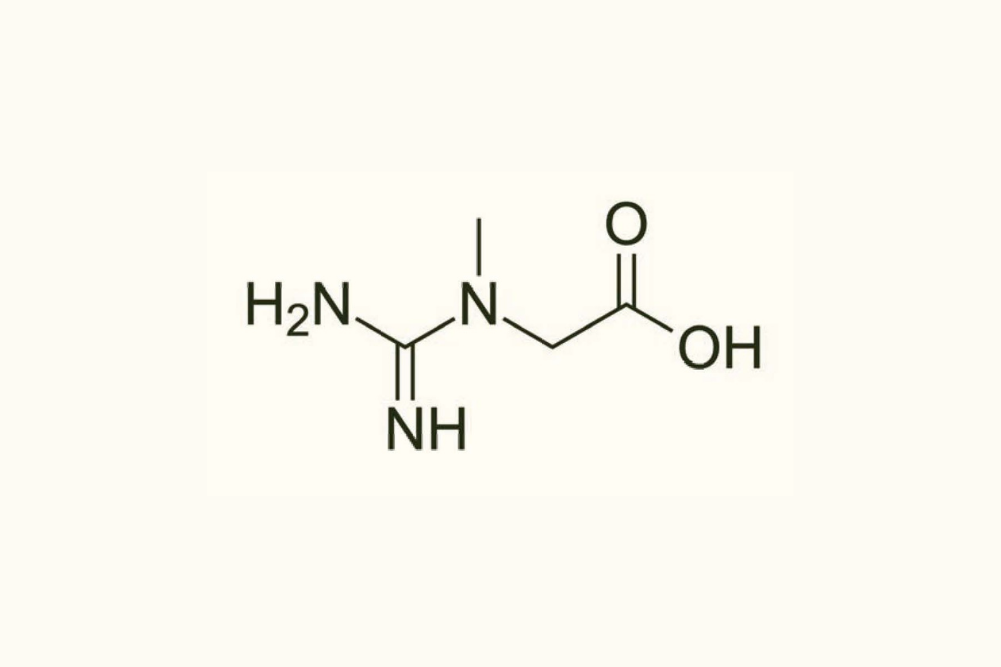
Creatine
Creatine occurs naturally in muscle cells (lesser amounts are produced in the brain and the testes) and is synthesised in the liver, kidneys and pancreas (endogenous) from the amino acids arginine, glycine and methionine. It is found naturally in animal foods — grass-fed meat, cow’s milk and seafood — so is potentially deficient in vegetarian diets.
Musculoskeletal
Creatine is important during high-intensity, short-duration activities (sprinting, weight-lifting) and was thought to be useful only for athletes and body builders as its effects are measurable during times of physical exertion, mental stress or immune recovery. Muscles rely exclusively on dietary ingestion with some endogenous synthesis, while the brain largely synthesises creatine.
In athletes, it provides muscular energy. Additionally, during times of mental fatigue, it can improve cognitive abilities which can also improve performance.
Research also indicates that creatine has anti-inflammatory and anticatabolic effects which support strengthening muscle and bone and increasing recovery from exercise, and helps rehydrate muscles, reducing the risk of cramping.
Energy production
Being essential for energy metabolism, creatine research shows that those with post-viral fatigue syndromes have much lower levels than normal. Post-viral fatigue is classified as a neurological condition by the WHO, with symptoms including persistent debilitating fatigue, systemic inflammation, cognitive difficulties and malaise exacerbated by exertion (physical or mental). Symptomatically similar to chronic fatigue and myalgic encephalitis, it is triggered by a viral infection such as influenza, COVID or EBV, with research demonstrating mitochondrial dysfunction, increased oxidative stress and impaired creatine metabolism.
In a study on subjects with post-COVID fatigue syndrome (Long COVID), they showed lower creatine levels in the brain and skeletal muscles, correlating directly with increased symptom severity.
Supplementing patients with creatine showed benefits during rehabilitation with lung conditions including chronic obstructive pulmonary disease, respiratory failure and Long COVID. However, larger-scale studies need to be conducted to confirm these findings.
Ageing
Creatine is particularly useful in older adults — even better combined with resistance training but still having a positive impact in those who are unable to exercise due to physical impairment. Supplementation in the elderly demonstrates that even without any training, creatine can delay atrophy of muscle mass, improving endurance and strength, increasing bone strength and thereby decreasing the loss in functional performance of everyday living.
Creatine improves bone strength, reducing fracture risk over time in older adults, and reduces both age-related sarcopenia (the loss of muscle mass) as we age, or after injury when our fitness deteriorates.
In a meta-analysis, creatine supplementation improved memory and cognition in healthy individuals, with older adults showing greater improvement than younger adults.
Neurological
The brain is metabolically active tissue that utilises creatine for energy production. Creatine deficiency is indicated in major development disorders including intellectual disability, autism, seizures and learning disorders.
There is increasing research demonstrating the benefits of creatine to brain health — including improved cognitive processing (particularly if induced by stressors such as sleep deprivation, exercise and stress) and recovery from trauma (brain injury, ageing, depression and even Alzheimer’s disease).
The brain synthesises creatine but dietary creatine can also be transported through the blood-brain barrier, although this can be problematic. Research indicates higher doses are needed in order to increase brain creatine levels (compared to muscle).
Immune system
Creatine impacts both the innate and the adaptive immune responses, the innate immune system being the first line of defence against bacterial and viral infections, where creatine downregulates the pro-inflammatory mediators, reducing the reaction to the pathogen. This means that the innate immune system does not over-react, so the adaptive immune response can be ramped up effectively. The adaptive immune response uses creatine as an energy source for the lymphocytes (immune cells). Elevated creatine is associated with stronger immune function and resistance to infection.
Supplementation
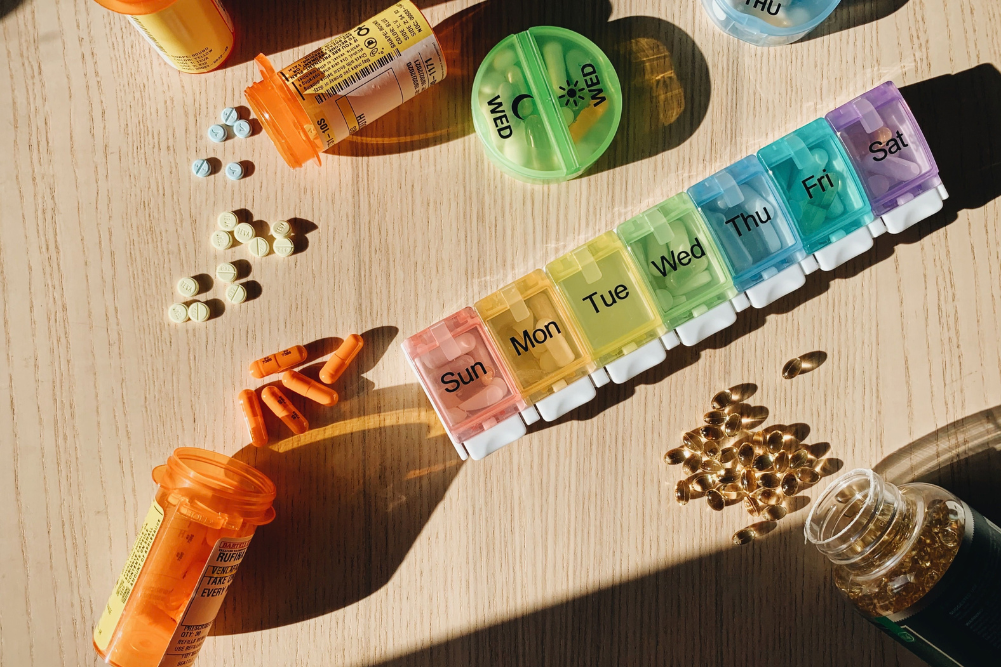
The research repeatedly demonstrates the safety of creatine supplementation, without toxicity or significant adverse reactions. Studies confirm it as safe even at high doses. Creatine monohydrate is the form used in the majority of studies and is consistently the best-studied form of creatine supplementation.
The recommended dose is three to five grams per day for general health benefits — athletes may use higher doses. Creatine monohydrate can be taken with food or in water. It is not necessary to cycle or load creatine, as daily intake is sufficient to maintain optimal muscle stores.
This article is featured in WellBeing Magazine 223