Tarragon (Artemisia dracunculus var. sativa, Tagetes lucida)
Worth growing for their culinary uses alone, tarragons possess virtues other than their zesty licorice flavour.
When cooks talk about tarragon, they of course mean French tarragon (Artemisia dracunculus var. sativa). It has long been a herbal staple in European cuisines. Tarragon is one of the herbs in fines herbes seasoning mix (along with parsley, chives and chervil) used in French cooking. It’s also the main flavouring ingredient in béarnaise and other sauces and, obviously, that French classic, tarragon vinegar.
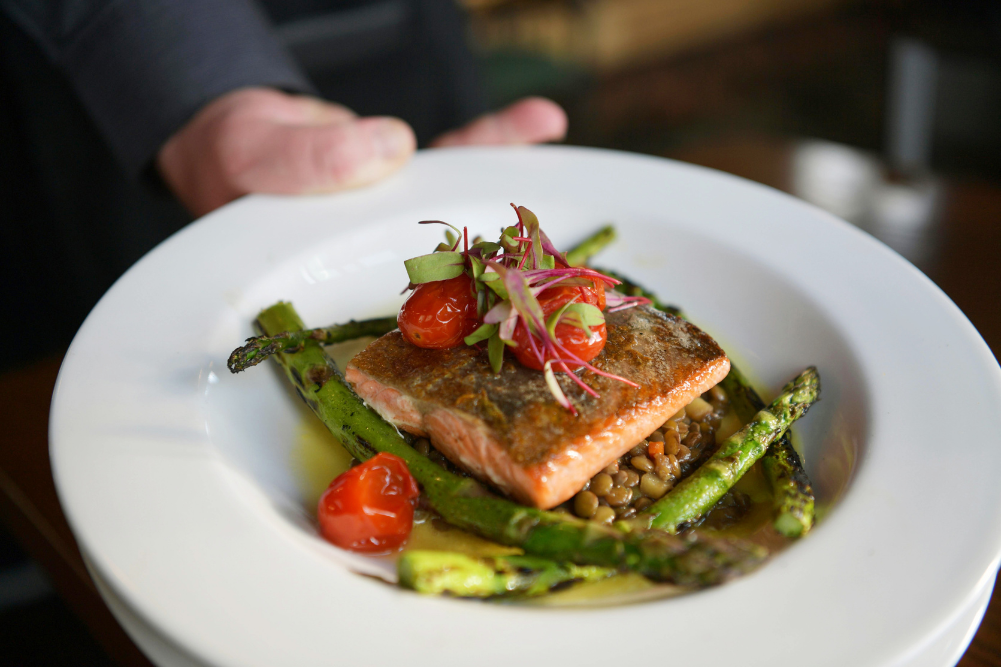
It’s the plant’s aromatic anise-like taste, due to the presence of estragole, that makes it valued in the kitchen, pairing beautifully with chicken, fish, pork and eggs, and especially with asparagus. Tarragon is commonly used to flavour vinegar, pickles, mustard, mayonnaise and even honey.
Tarragon Varieties
Russian tarragon (A. dracunculoides L.) rates a quick mention here, if only to warn against buying it by mistake. It’s not valued as a culinary herb as its flavour is not good. In the garden, though, it is a hardier, more vigorous plant and, unlike French tarragon, can be grown from seed. So, unless you have your own reason for choosing Russian, make sure the label on the plant you buy says French tarragon.
There is a third kind, though, one that almost matches the French tarragon for culinary value: Mexican or Spanish tarragon (Tagetes lucida), which, though from a different genus, has a good flavour that is certainly much better than the Russian kind. Also known as winter tarragon, in mild climates it keeps growing while French tarragon dies back, so the trick may be, depending on where you live, to grow both.
Mexican tarragon was used by the Aztecs in a ritual incense. They were said to blow a medicinal powder containing T. lucida into the faces of those about to become human sacrifices to the gods. The plant was associated with the rain god, the deity responsible for “water illnesses” such as gout, colds and rheumatism. Dried Mexican tarragon was also mixed with wild tobacco and smoked by other American indigenous people for its psychotropic effects. (Don’t try this at home.) The leaves of Mexican tarragon were an important flavouring of chocolatl, a foaming cocoa drink enjoyed by the Aztecs. A tea made from the leaves and flowers is still popular in Latin America today.
Tarragon
Common name: Tarragon (French)
Botanical name: Artemisia dracunculus var. sativa
Group: Herb
Requires: Sun to part shade
Dislikes: Overwatering or heavy, poorly drained soil
Suitable for: Herb or vegetable garden, patio pots
Habit: Upright perennial with aromatic leaves
Needs: Light, well-drained fertile soil; drought-tolerant once established; pinch or harvest regularly to maintain flavour
Propagation: Root divisions or cuttings (rarely from seed)
Difficulty: Easy to moderately easy
“It’s the plant’s a romantic anise-like taste, due to the presence of estragole, that makes it valued in the kitchen, pairing beautifully with chicken, fish, pork and eggs, and especially with asparagus”.
Medicinal Properties
French tarragon is generally grown for culinary purposes, though one scientific study found that compounds from the plant exert potent anticancer effects by inducing DNA damage in cancer cells. Another study found that one of French tarragon’s components (PMI 5011) improves insulin action, with a further study showing that the anti-diabetic polyphenols became more bioavailable and bio accessible when used in complexation with soy protein (so perhaps we should add tofu to the list of foods it goes with). Tarragon is also a natural diuretic, laxative and antispasmodic. However, avoid consuming it in large amounts.
Meanwhile, research shows that making the leaves, stem, and flowers of Mexican tarragon into a decoction produces antidepressant effects in rats. Studies have also demonstrated its strong activity against a number of fungal and bacterial strains. Plus, studies show it actively scavenges free radicals, making it a potent antioxidant.
Perhaps best of all for gardeners is Mexican tarragon’s potential for controlling pests. Secretions from the roots have an insecticidal action on soil against nematodes and a deterrent effect against some weeds, such as couch grass. The plant also repels pests like the asparagus beetle and bean weevil. When dried, you can burn it as an incense to repel insects.
Growing
A perennial native to southern Europe across to central Asia, French tarragon prefers a Mediterranean to cool climate. It will grow in part shade but does well in a sunny spot with light, well-drained soil. It is drought-resistant and cold-hardy. As it rarely sets seed you need to buy a plant or acquire a cutting or root division.
Spring or early autumn is the best time to plant. It will die back in winter and become dormant, shooting again in spring. Mulch well before winter frosts and during the growing season pinch out tops and harvest regularly. Lift and divide roots for new plants every couple of years — it loses flavour after about four years.
Mexican tarragon, also a perennial, is native to Central and South America and so enjoys hotter climes, thriving in coastal humidity where French tarragon may struggle. It needs full sun and a moderately fertile soil. As a member of the Asteraceae family, the plant also goes by the name of sweet scented marigold for its pretty yellow daisy flowers. The plant grows from seed and will continue to grow through winter in frost-free areas, when it can become a substitute for French tarragon.
Both are pretty trouble-free but can be susceptible to rusts, mildews and root rot if too wet. Be careful not to over-water French tarragon.
Harvesting
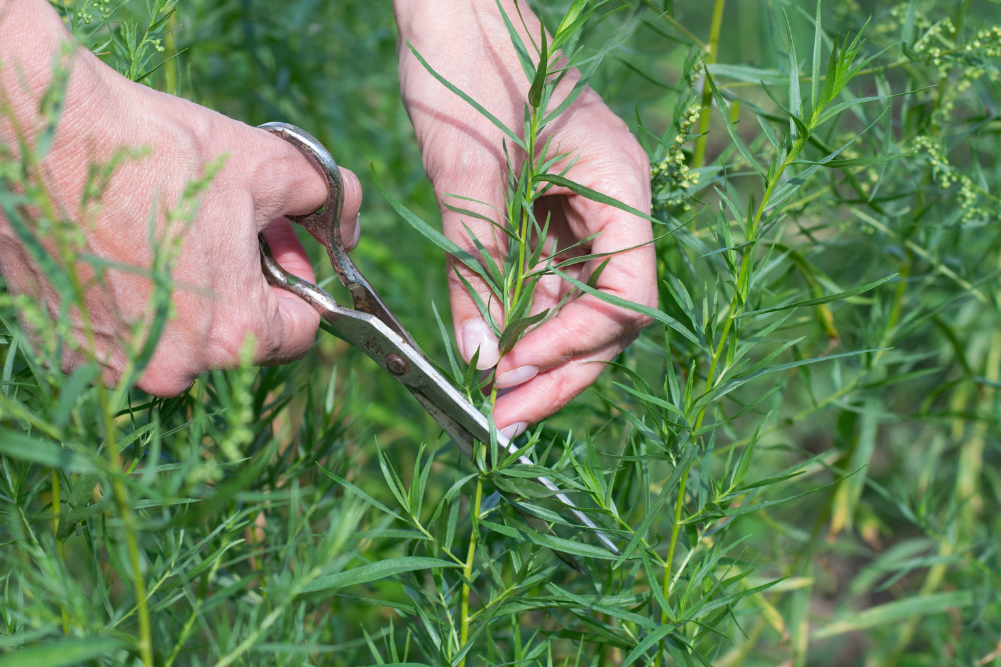
Pick A. dracunculus from spring to autumn and T. lucida most of the year if in a frost-free area, though the oils in the plants are at their most potent in mid-summer. You can dry the leaves of both plants; however, the drying process reduces flavour and requires using larger quantities. You can also freeze the leaves in ice cubes for use out of season.
Tarragon Vinegar
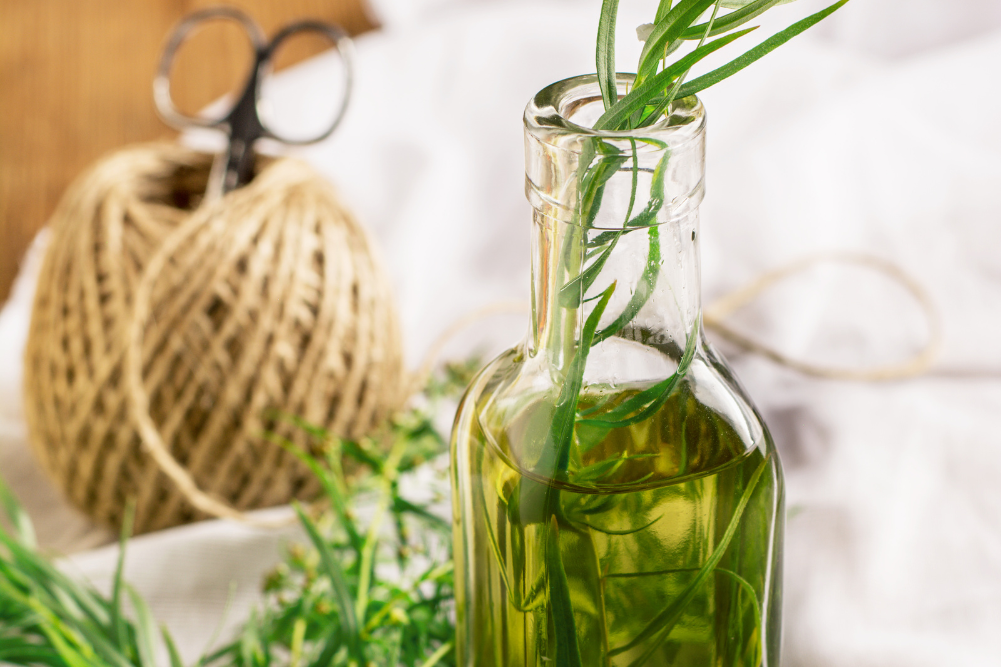
Tarragon vinegar has deliciously zesty minty-liquorice undertones that complement vinegar perfectly. It can be expensive to buy but is so simple to make — and the homemade stuff will taste better, too. Plus, if you put it in a nice decorative bottle it makes a simple but lovely gift. It’s traditional to use white wine vinegar, but for an extra health boost (and a different flavour) you can use raw apple-cider vinegar. Be careful not to heat apple-cider vinegar too much as it will kill the health-giving “mother” and turn it into an ordinary vinegar. Purists would use only French tarragon, but you can use Mexican if that’s all you have.
- 2 cups white-wine vinegar
- 1 cup French tarragon leaves
- 6 pink or black peppercorns (optional)
- Sprig of tarragon for decoration.
- Gently crush the tarragon leaves with your fingers or roll them lightly between your palms to release their oils and aroma.
- Place them in a clean mason jar or similar and add peppercorns if using.
- Pour in the vinegar to completely cover, top with a lid and allow to steep for at least 2 weeks.
- Strain into a clean decorative bottle and place the sprig in the bottle for decoration and easy identification. Label if desired.