

Subscribe
Subscribe to a newsletter to receive latest post and updates
Featured
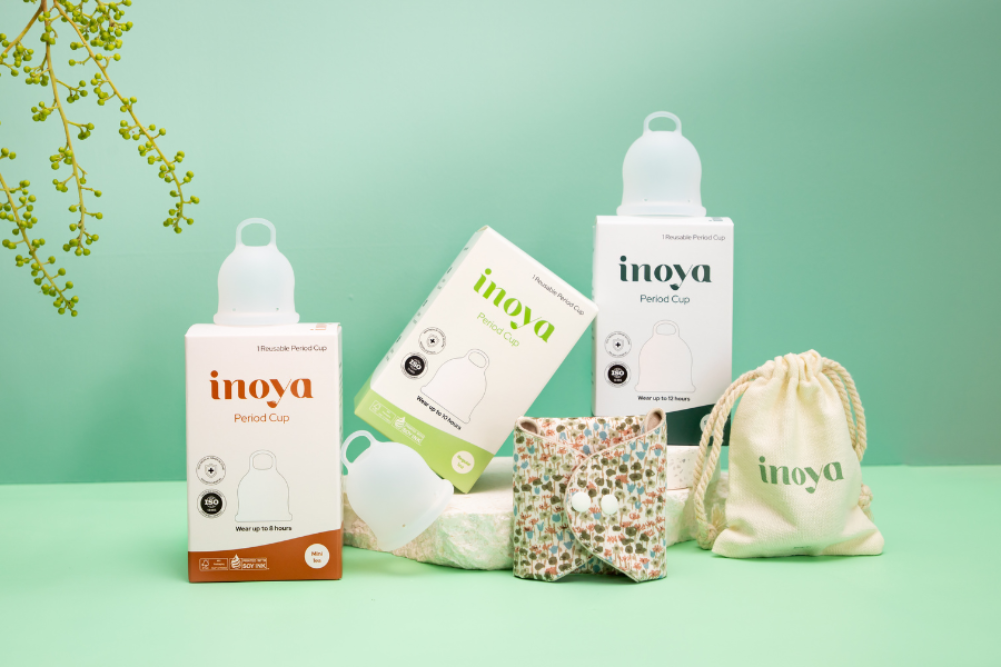
The way we approach menstrual health is undergoing a quiet, long-overdue change. For decades, regular period care relied on a culture of silence and single-use products. These older options often put quick convenience ahead of lasting comfort, body awareness, and care for our planet. Around meaningful dates like Menstrual Hygiene Day, a collective shift is […]
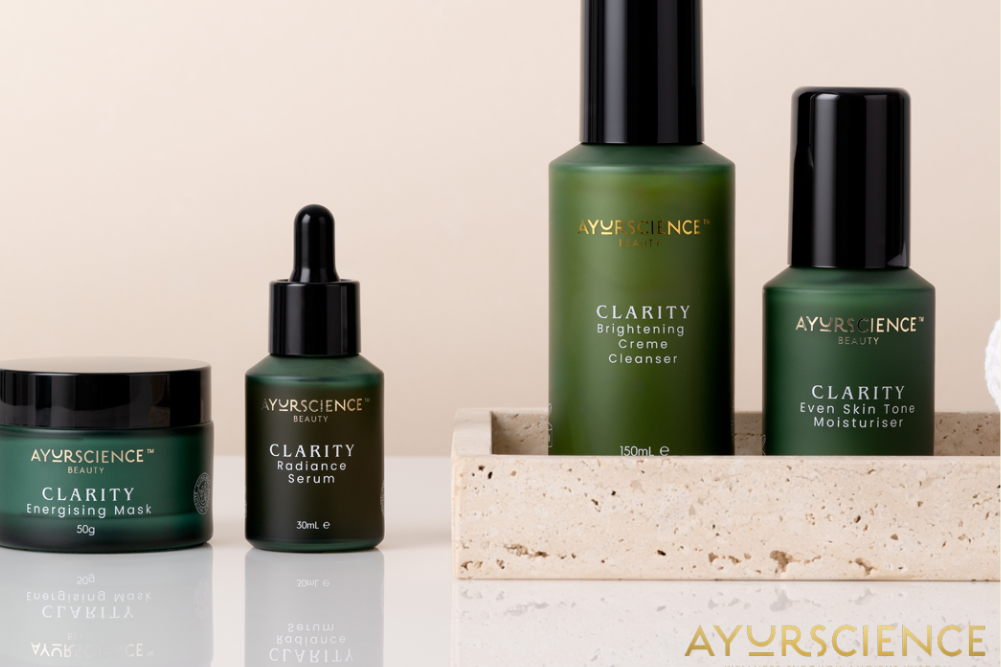
How AyurScience Targets the Root Cause of Skin Health AyurScience is an Australian skincare brand founded by pharmacists who are second-generation custodians of Ayurvedic practice. This heritage is not a retrospective inspiration but a lived experience passed through generations, where plant-based remedies and rituals centred on balance formed the foundation of daily life. By bridging […]
Skin is in constant conversation with the endocrine system. Hormonal signals shape repair, resilience and radiance.
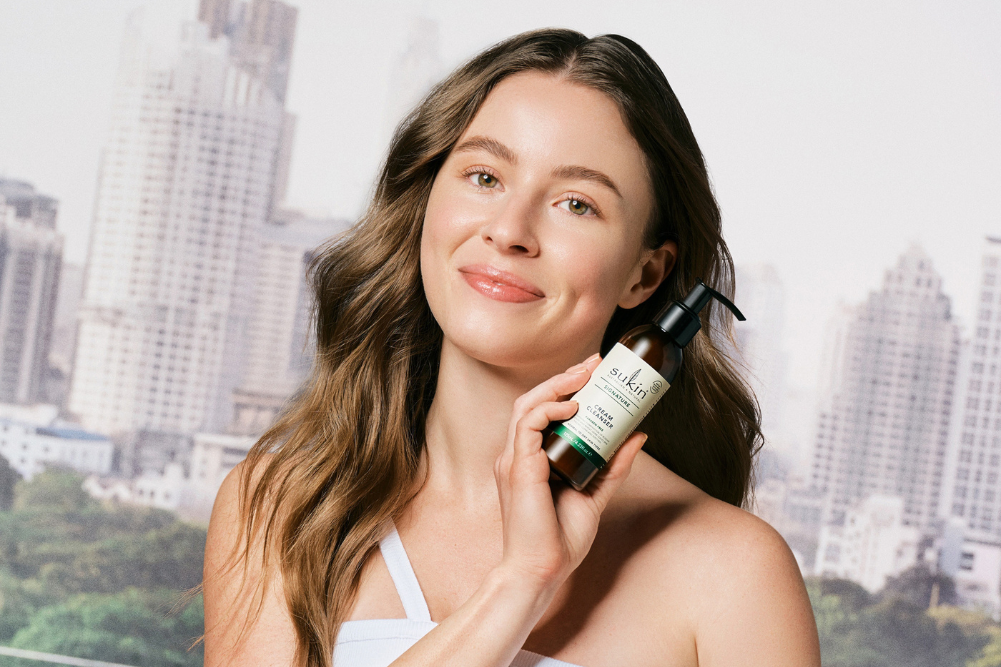
Sukin botanical skincare blends ancient plants with modern science. Discover why this Australian brand is leading the natural beauty charge.
From hidden chemicals in skincare to the air in our homes. Here’s how to transition to a non-toxic beauty routine without the overwhelm.
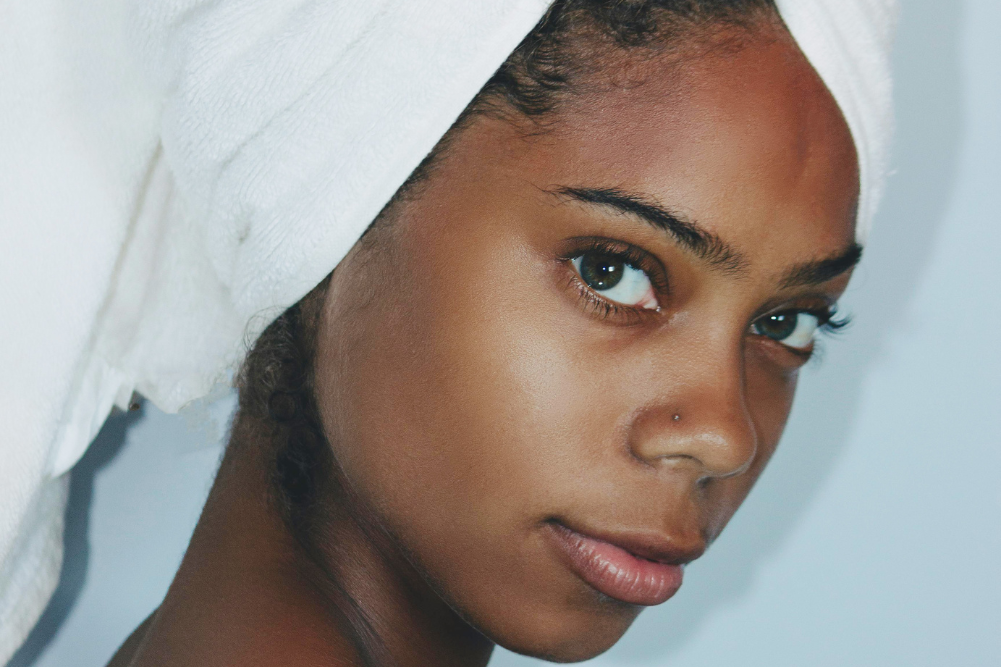
Discover the overlooked amino acid glycine — vital for collagen, skin health, and vitality during pregnancy, postpartum, and ageing.
Top idea of the week

The superpower to guide you through 2026
Learn how to cut through the noise of 2026. David The Medium shares 8 steps to master your intuition and find your flow.
Latest Articles

Two common hot drinks have been found to reduce your risk of experiencing a stroke.

The Asian vegetable “bitter melon†can help prevent pancreatic cancer.

Nutrition is important when it comes to caring for your hair. If you are colouring it, straightening it, perming it or using a hair dryer you also increase your chances of hair loss. From my experience, I have found, despite popular naturopathic belief that most hair loss comes from inside, that what we do on the outside affects hair loss even more. Air conditioning, chemicals in shampoos and hair products, hair dyes, gels, sprays etc. all take their toll. Yes, food and illnesses do affect hair loss but don’t blame it all on your ill health if you are using the above toxic substances.

A number of factors impact whether you will be attracted to another person when you meet.

Bitter compounds from foods can open up the airways in the lungs.

A wonderfully inspired dish that adds a taste of Japan to Italy’s well-loved dish: pasta.

A US study has found that every item of supermarket food tested contained levels of plastic contaminants.

Caring for your breasts in a holistic way can help you accept, note changes to and find comfort and pleasure in these amazing structures.

When it comes to the crunch, celery has all the right elements as a nutritious and versatile ingredient to keep in your kitchen.

It’s important to understand the nature and causes of skin problems to be able to effectively address them with the right natural solutions.

Regular practice of the martial art tai chi yields an array of health and fitness benefits for young and old alike.

Vitamin C is most useful in preventing colds in people who are under stress.
More Popular
We Love
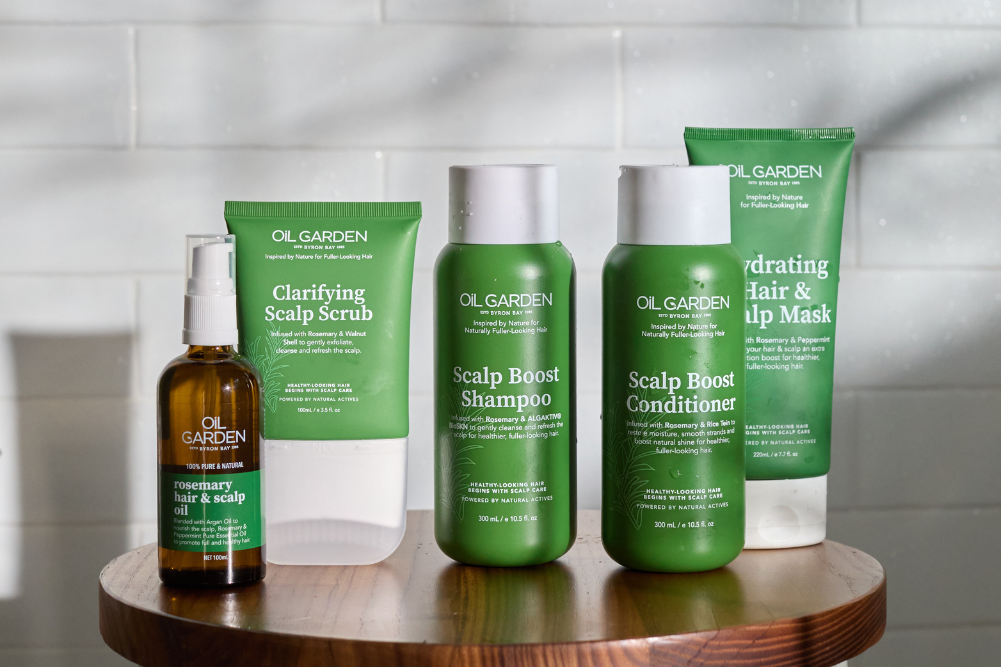
Oil Garden – Scalp & Hair Care Routine
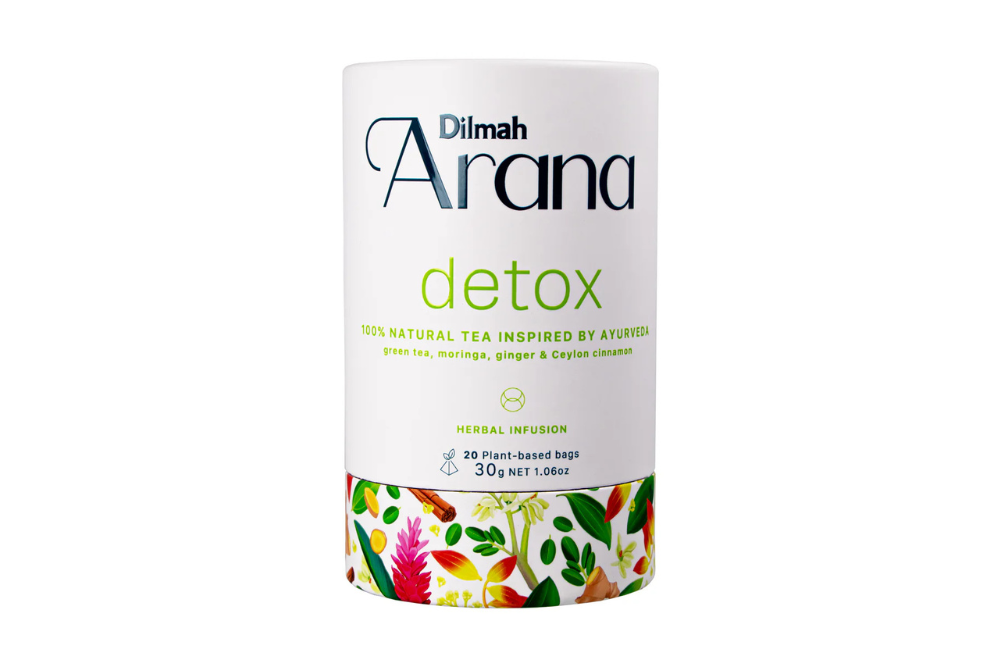
Dilmah – Arana Detox
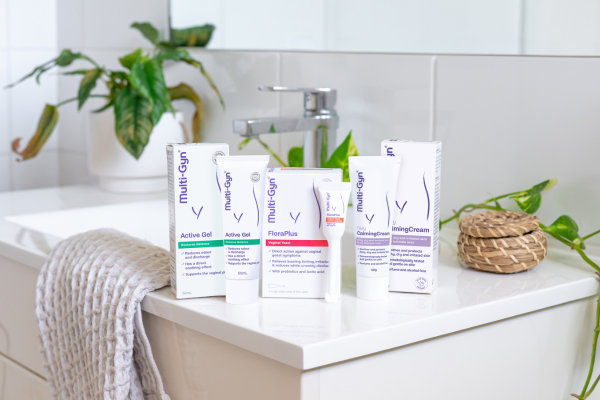
Women’s Initmate Health Products – Multi-Gyn