
Which nut is best for lowering cholesterol, improving brain health or providing extra energy? Read on to find how each little powerhouse has a big impact on our health

Now Searching For
Which nut is best for lowering cholesterol, improving brain health or providing extra energy? Read on to find how each little powerhouse has a big impact on our health
Chances are, if you’ve ever set foot in a gym, you’ve heard someone talk about protein supplementation. So what are protein supplements and what are they used for?
Studies in the last 30 years show that high levels of the amino acid homocysteine can lead to a higher risk of heart disease.

Leucine occurs in many foods but is a popular supplement for its well-researched ability to build lean muscle.

Soybeans can be enjoyed as a food or used as medicine, most notably for treating menopause symptoms and promoting bone and heart health.

Since ancient times, barley grass been highly regarded for its therapeutic properties, but modern science has also confirmed the enormous benefits it bestows on your health.

The health benefits of omega-3 oils from fish are well documented but there are also concerns about mercury levels in fish. Are the benefits worth the risks?

Protein is essential to your body tissue, bones, skin and muscle. But where do you get it and how much do you need?
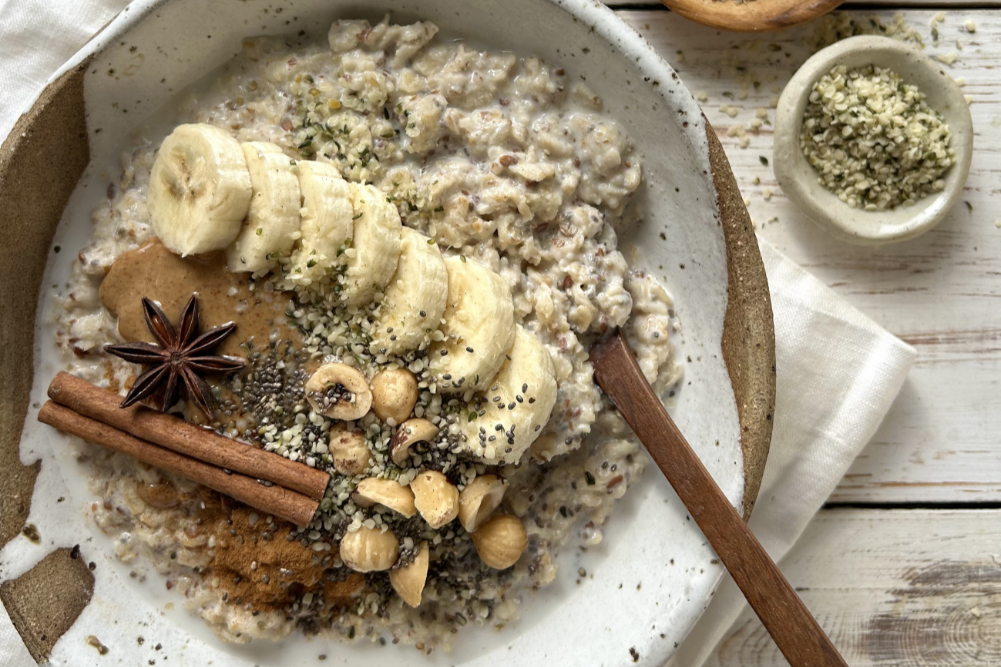
Start your day off right with these protein-packed overnight oats. They’re a quick, no-fuss breakfast that’s ready to go in the morning. Ground flax adds omega-3 fatty acids and lignans, which help reduce inflammation and support hormone balance. Hemp seeds give this breakfast an extra boost in protein, fibre and beneficial omega-3 essential fatty acids.
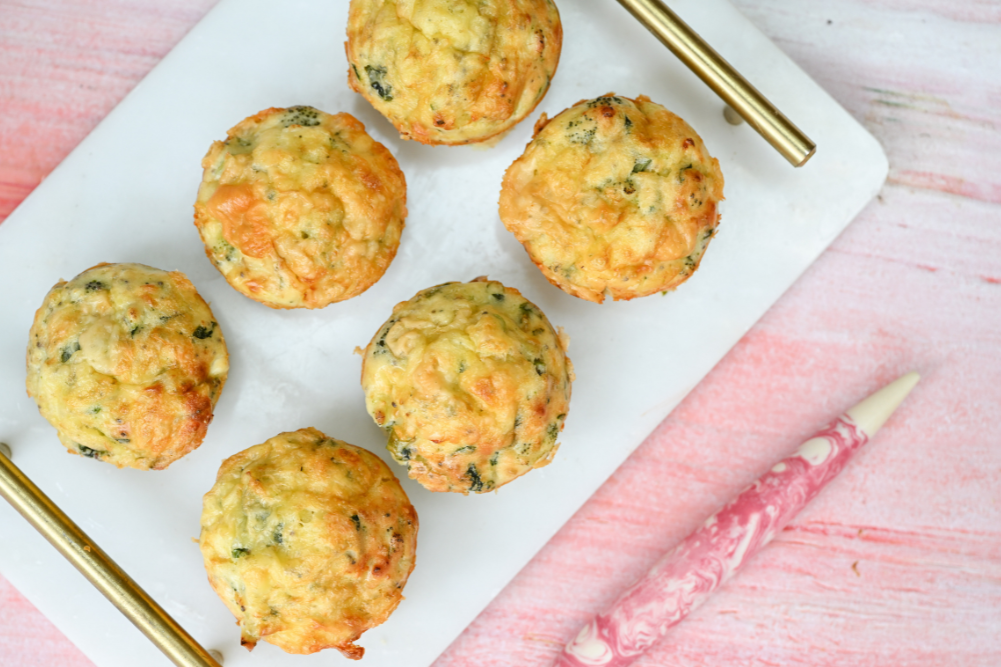
These muffins are a great way to meal prep a high-protein, nutritious breakfast when time is limited or you’re on the go. Try adding chia or hemp seeds for extra protein and a boost of fibre.
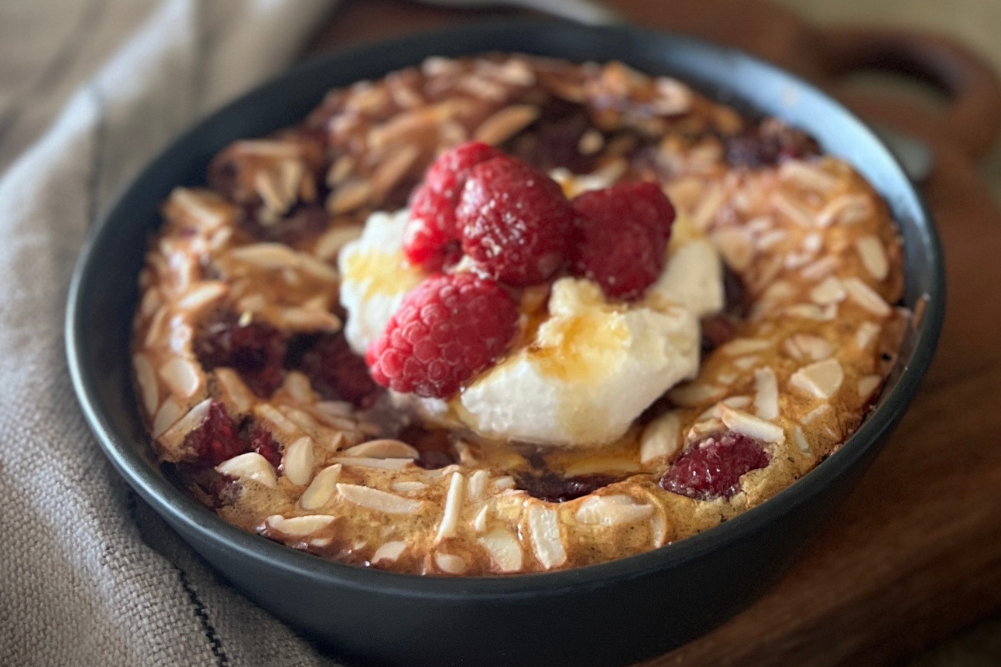
This is a sweet start to the day without skipping the protein. With the higher protein, your energy lasts long into the morning, setting up your body to thrive.
Subscribe to a newsletter to receive latest post and updates